
Your Complete Guide to Pallet Sizing, Specifications, and Selection
Key Takeaways: Dimensions of a Pallet
Too long, couldn’t stop to read? We have you covered. Here’s a quick synopsis:
Whether you're establishing a new warehouse, optimizing an existing operation, or expanding into international markets, the dimensions of your pallets have far-reaching implications. Use this guide to make informed decisions that drive efficiency and reduce costs across your supply chain.
Standard dimensions vary by industry and region; understand what's standard for yours
The cost of choosing the wrong pallet extends far beyond purchase price
Capacity, condition, and construction all impact how much weight a pallet can safely hold
International shipping requires compliance with ISPM 15 and destination-specific standards
Custom dimensions can optimize product fit but reduce compatibility
Regular measurement and documentation help maintain consistency
Understanding Pallet Dimensions & Why is Matters for Your Business
Pallets are the backbone of modern supply chain management, handling everything from raw materials to finished products. Whether you're shipping goods across state lines or organizing warehouse operations, understanding standard pallet dimensions is essential for optimizing your logistics, reducing costs, and ensuring smooth operations.
The dimensions of pallets aren't arbitrary—they're carefully standardized to ensure compatibility across transportation networks, warehouses, and retail environments. Getting the right pallet size for your company's needs can mean the difference between efficient distribution and costly bottlenecks.
This comprehensive guide covers everything you need to know about pallet size, including standard specifications, how to choose the right dimensions for your business, and the uniform standards that govern wood pallets across North America.
Pallet Dimensions Overview: What You Need To Know
When we talk about the dimensions of a standard size pallet, we're referring to three key measurements: length, width, and height. These dimensions determine how much product you can load, how efficiently pallets stack, and whether they'll fit through your facility's infrastructure.
KEY TAKEAWAY:
The most common pallet in North America measures 48" × 40" × 5.5" (length × width × height), but "standard" varies by industry and region. Understanding what's standard for your specific use case is critical.
Why Pallet Dimensions Matter
Pallet dimensions:
Determine product compatibility and load capacity
Affect warehouse space utilization and storage efficiency
Impact transportation costs and vehicle optimization
Influence equipment requirements (forklifts, racking systems)
Determine compatibility with automated systems
Affect stackability and weight distribution
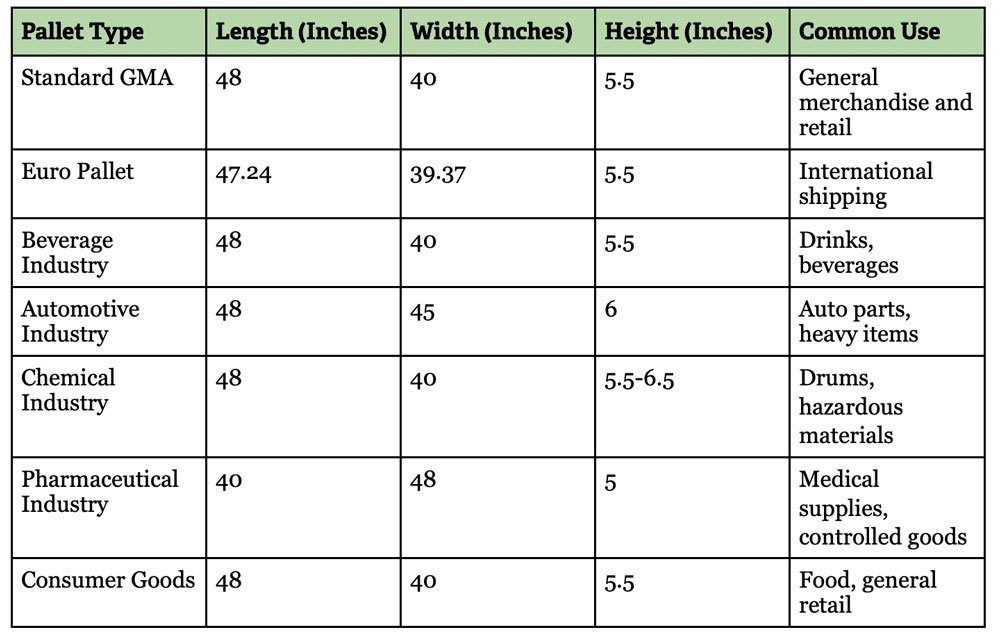
Standard Pallet Sizes and Dimensions Chart By Industry and Type
Here's a comprehensive pallet size chart showing the most common dimensions of a pallet used across North American industries:
FUN FACT
The GMA (Grocery Manufacturers Association) 48" × 40" pallet became the standard in the 1960s specifically because it optimizes truck trailers. A 48-foot trailer fits exactly 26 GMA pallets in a standard loading pattern.
Diving Deeper: Specific Dimensions for Pallets Across 6 Industries
Different industries have evolved distinct preferences for pallet dimensions based on their specific needs:
-
1. Food and Beverage Industry
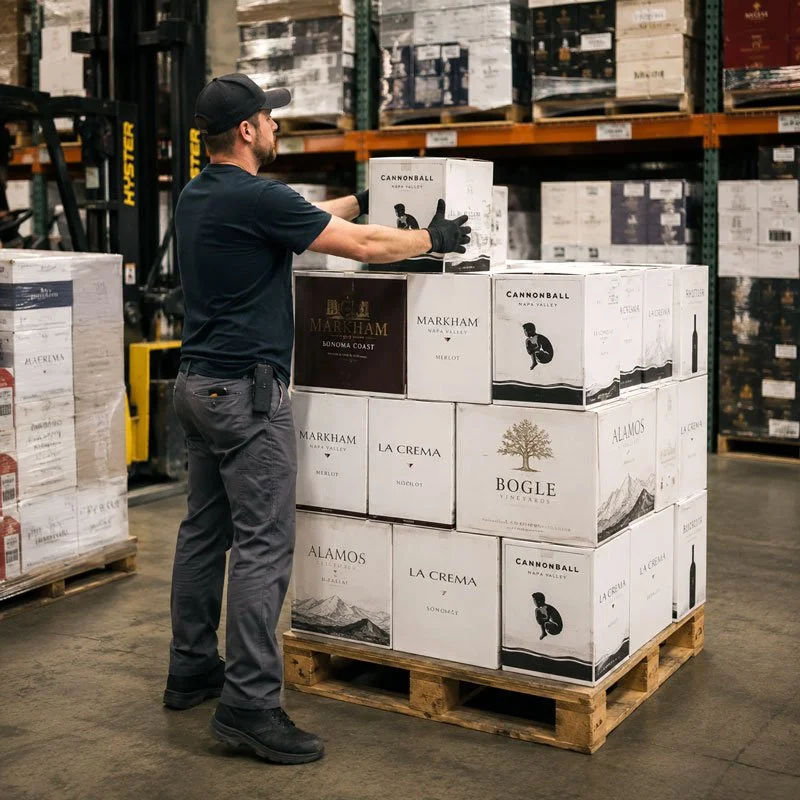
Standard: 48" × 40" × 5.5" GMA
The beverage industry, which handles heavy, dense products, often uses reinforced GMA pallets. The standard dimensions allow for optimal truck utilization and warehouse compatibility. Strict hygiene standards (FDA, USDA) often require food-grade pallets with specific treatment certifications.
-

2. Healthcare and Pharmaceuticals
Standard: 40" × 48" × 5" (note the reversed dimensions)
Pharmaceutical companies frequently use reversed dimensions combined with specialized construction for temperature and humidity control compatibility. Compliance with GMP (Good Manufacturing Practice) and traceability requirements often influence pallet specifications.
-

3. Automotive and Heavy Manufacturing
Common sizes: 48" × 45" or 60" × 48", custom heights up to 8"
Automotive suppliers often use larger, heavier-duty pallets to accommodate bulky engine blocks, transmissions, and components. Custom dimensions are common to fit specific equipment or assembly line requirements.
-
4. Chemical and Hazardous Materials
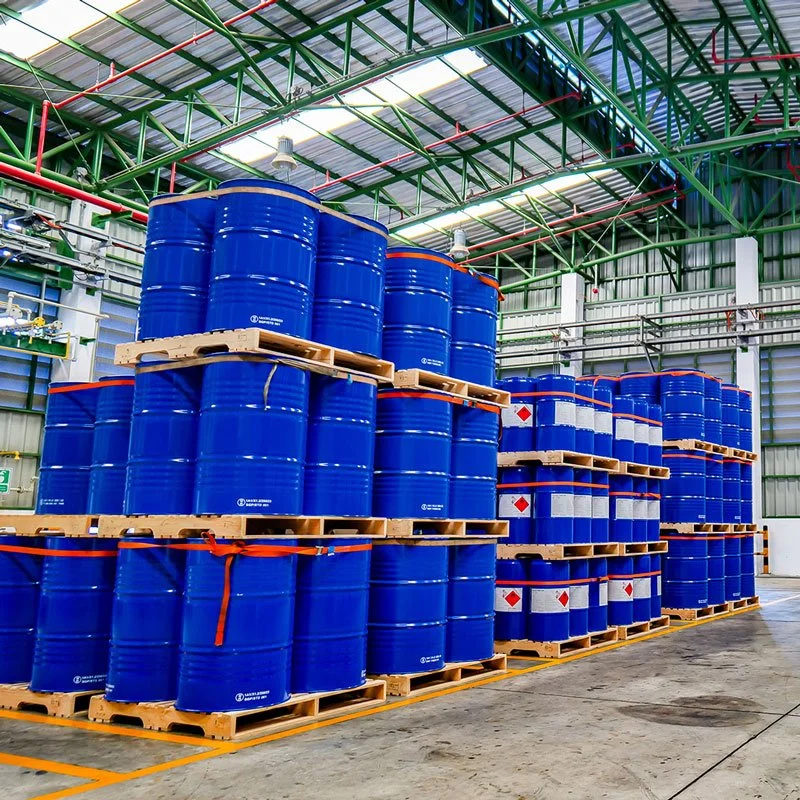
Standard: 48" × 40" × 5.5–6.5"
Chemical suppliers may use slightly taller pallets to accommodate 55-gallon drums. Special construction (double-thick stringers, reinforced decking) is common for hazardous material compliance.
-

5. Retail and Consumer Goods
Standard: 48" × 40" × 5.5" GMA
Retail distribution centers overwhelmingly use the GMA standard, making it the most universally compatible option. Many retailers have specific pallet requirements built into vendor agreements.
-
6. Specialty Products
Common: Half-pallets (24" × 40" or 48" × 20") and custom sizes
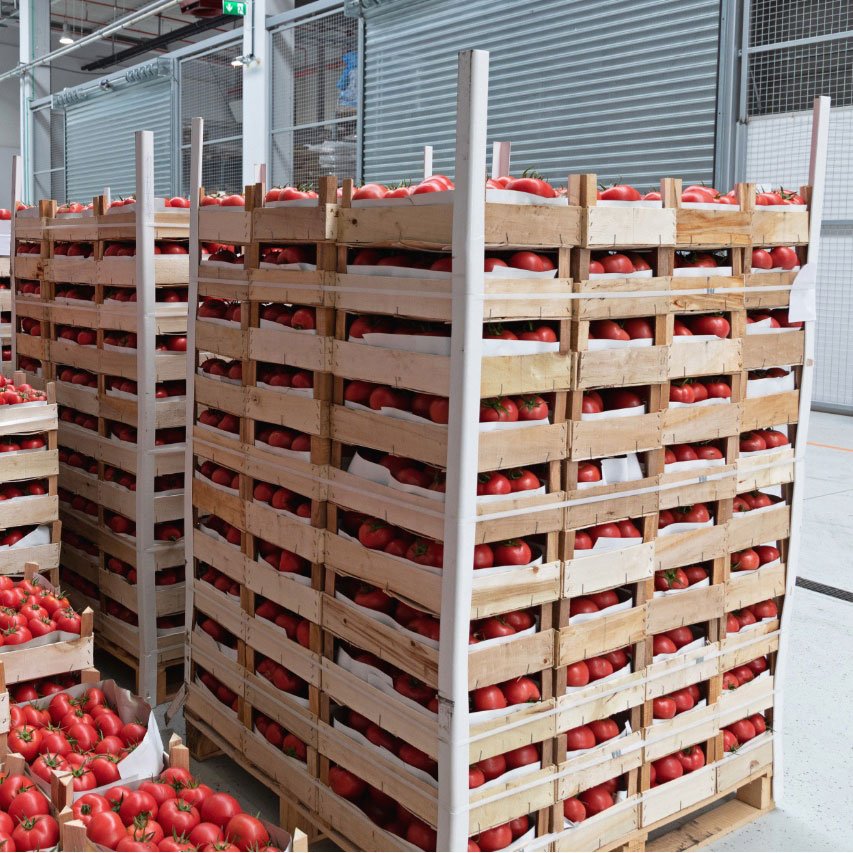
Specialty retailers, farmers markets, and small-scale operations often use half-pallets or custom dimensions optimized for their specific product and display needs.
Common Pallet Types and Their Dimensions
-
1. Stringer Pallets (Most Common)
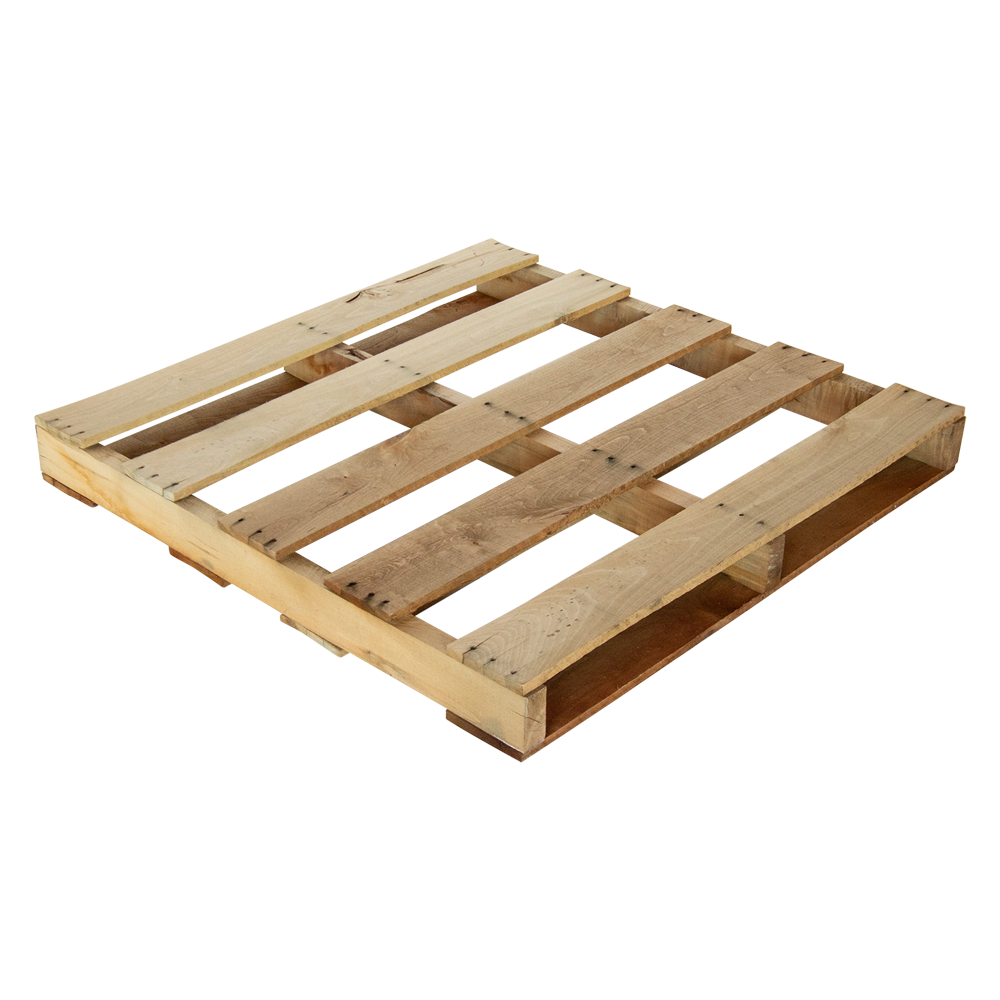
Stringer pallets are the most widely used pallets in North America. They feature wooden beams (stringers) running the length of the pallet, with deck boards laid perpendicular across them.
Dimensions: 48" × 40" × 5.5" (GMA standard)
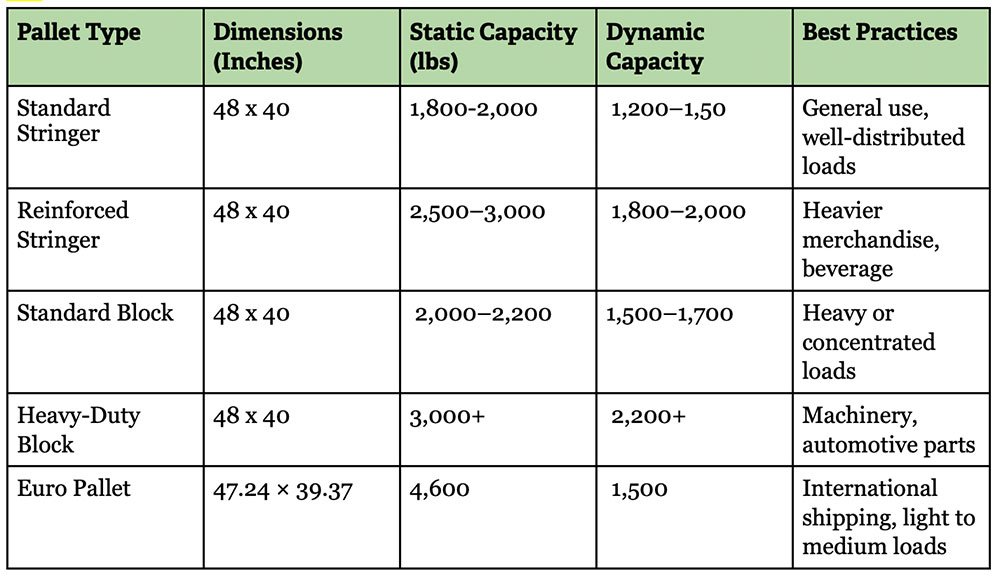
Weight capacity: 1,800–2,000 lbs (depending on construction)
Best for: General merchandise, retail, food & beverage
Advantages: Cost-effective, widely compatible, easy to repair
-
2. Block Pallets
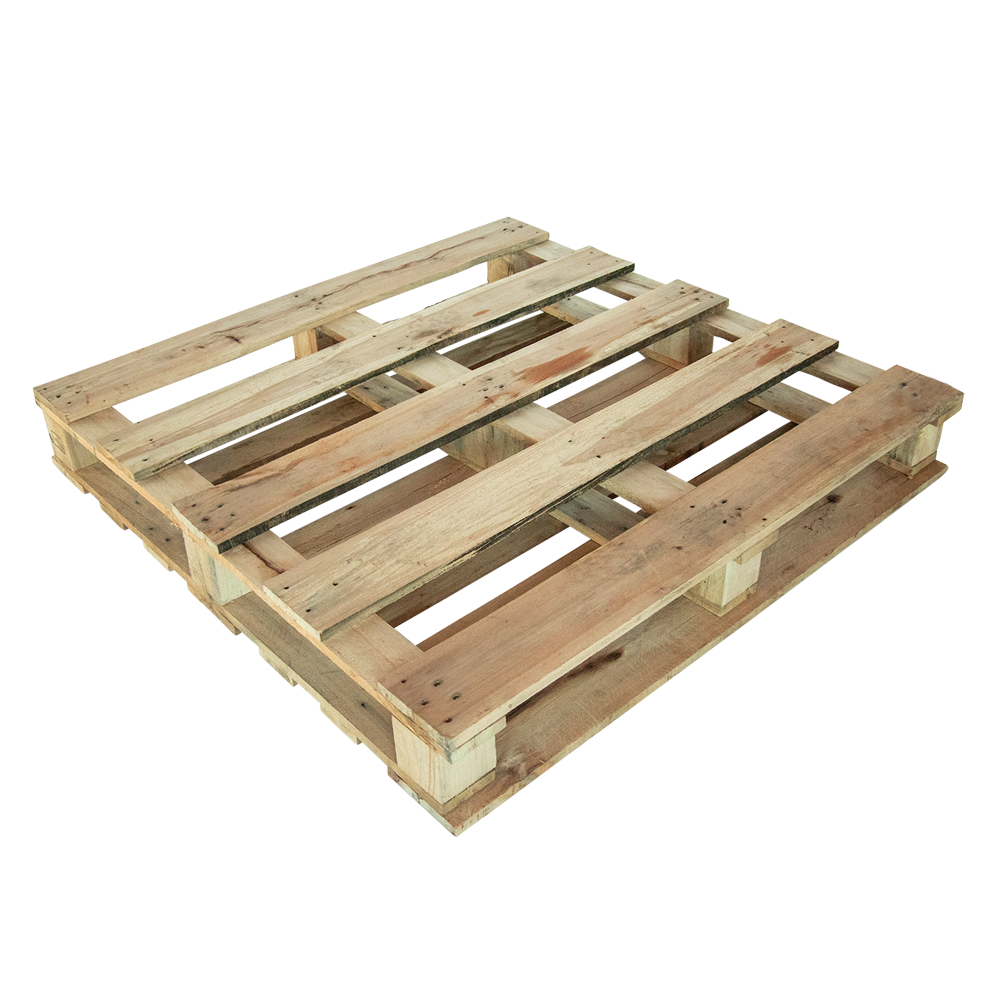
Block pallets use solid wood or composite blocks instead of stringers, providing better weight distribution and durability for heavy loads.
Dimensions: 48" × 40" × 5.5" (also available in Euro size)
Weight capacity: 2,000+ lbs
Best for: Heavy machinery, chemicals, automotive parts
Advantages: Superior strength, better for four-way forklifts, longer lifespan
-
3. Euro Pallets (European Standard)
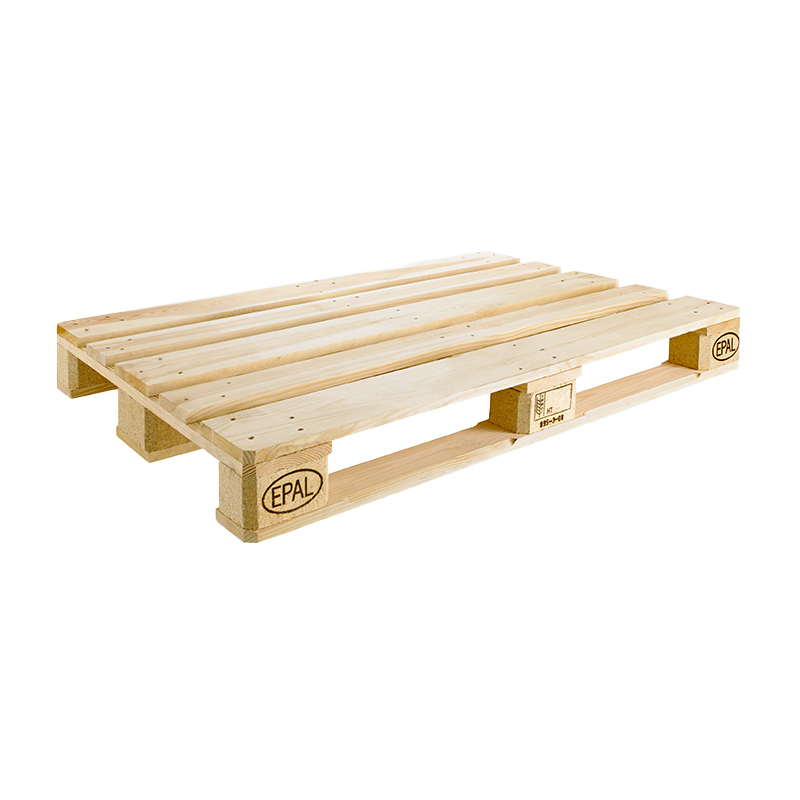
Euro pallets are the standard in Europe and are increasingly used for international shipping.
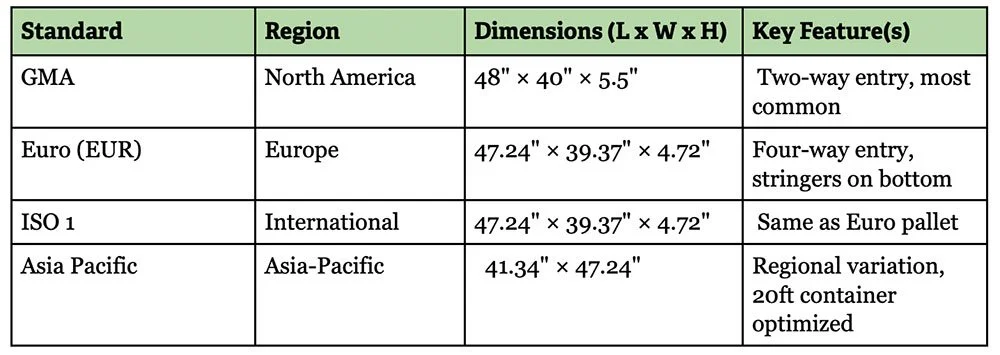
Dimensions: 47.24" × 39.37" × 4.72"
Weight capacity: 1,500 lbs (dynamic), 4,600 lbs (static)
Best for: International trade, European markets, export goods
Advantages: Global compatibility, standardized across Europe
-
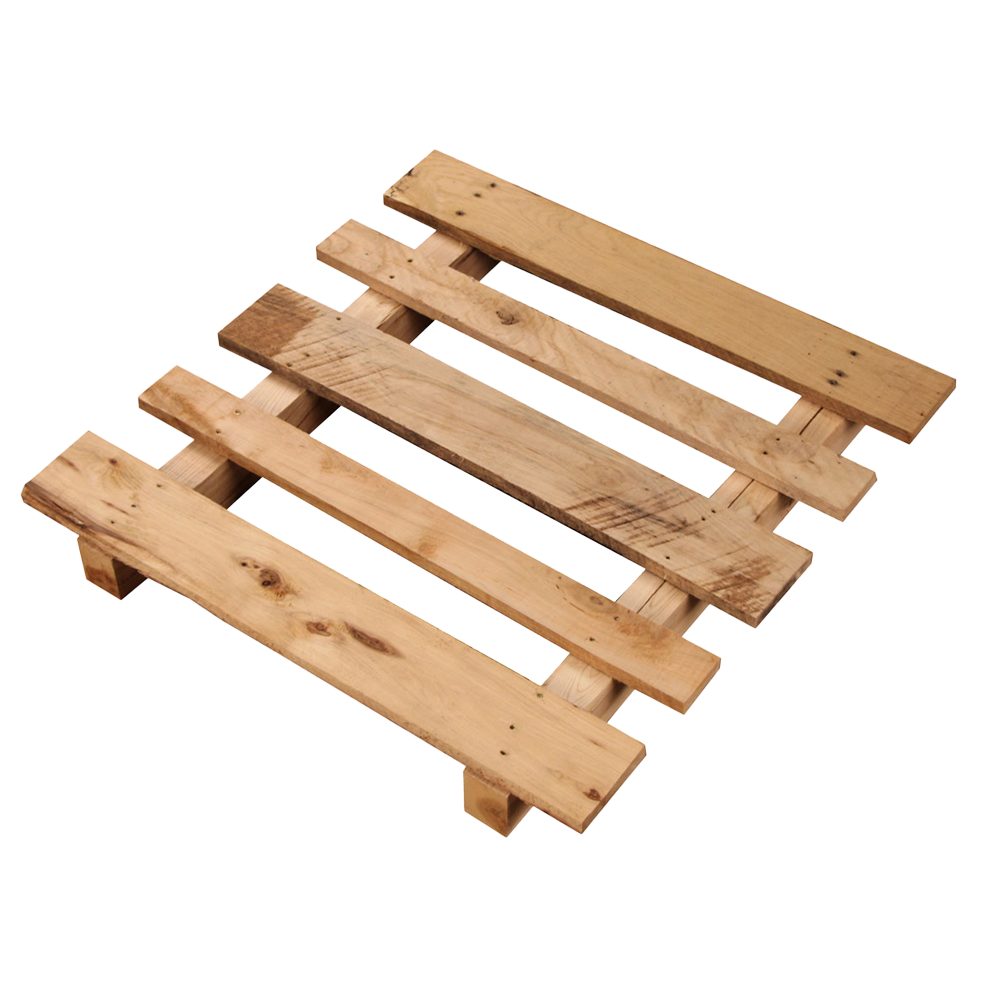
4. Half Pallets
Ideal for smaller operations or retail environments with space constraints.
Dimensions: 48" × 20" or 24" × 40" (roughly half GMA size)
Weight capacity: 900–1,000 lbs
Best for: Small retailers, specialty items, display pallets
-
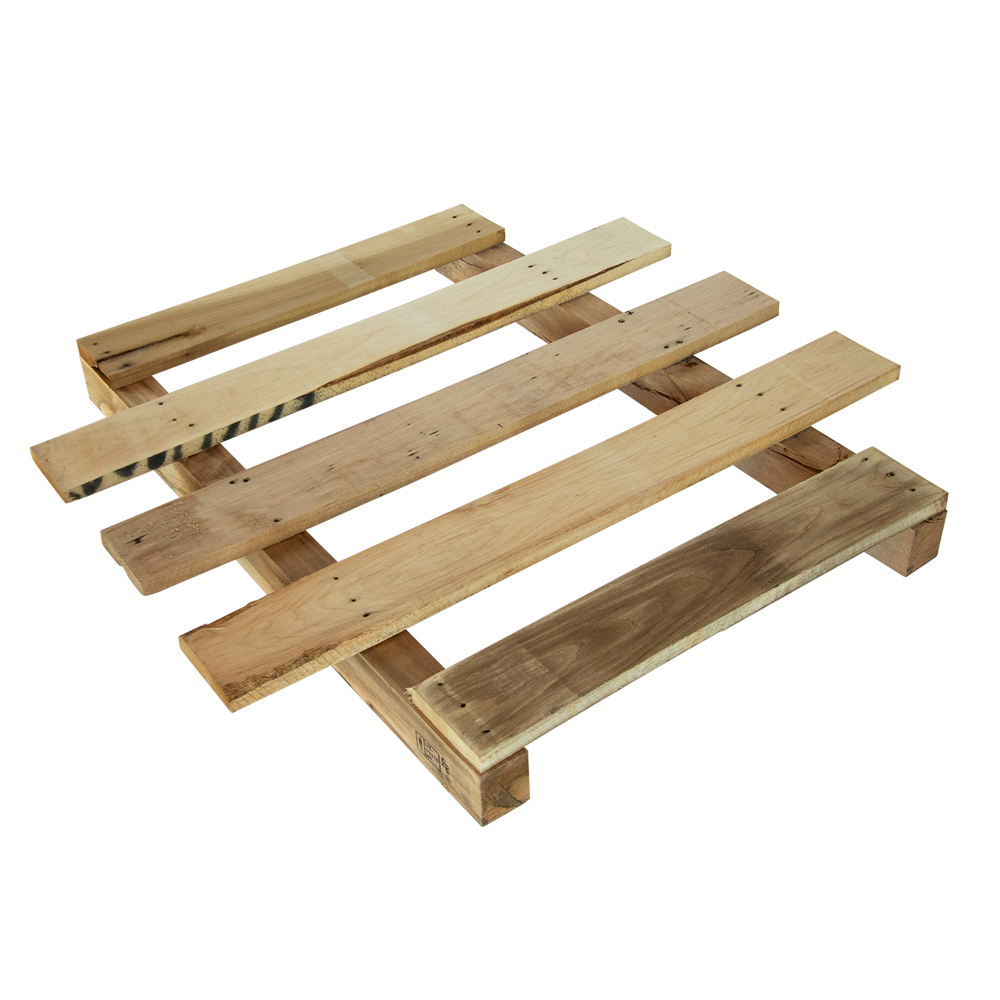
5. Custom & Specialty Pallets
Many industries require custom dimensions of pallets tailored to specific products or equipment. Common custom sizes include:
Automotive: 48" × 45" for engine blocks and heavy components
Machinery: 60" × 48" for industrial equipment
Pharmaceuticals: 40" × 48" with special construction for compliance
Beverages: Reinforced 48" × 40" for heavy liquid loads
How to Determine Which Size Pallet Your Company Needs
Selecting the right pallet size for your company isn't just about standard dimensions—it requires analyzing your specific operational needs, product characteristics, and infrastructure. Choosing the wrong dimensions can waste space, increase shipping costs, and create compatibility issues. Here's a step-by-step approach:
Step 1: Analyze Your Product Dimensions
Your product should be the starting point. Consider:
Product length, width, and height
How products will be arranged on the pallet
Whether products overhang the pallet (common and acceptable within limits)
Stacking requirements and fragility
Step 2: Evaluate Your Infrastructure
Your facility's equipment and space will heavily influence pallet selection:
Warehouse dimensions: Can your racking systems and aisles accommodate standard 48" × 40" pallets?
Doors and openings: Will pallets fit through loading docks and doorways?
Equipment compatibility: Do your forklifts and material handling equipment fit the pallet size?
Racking capacity: What weight capacity do your racking systems support?
Step 3: Consider Transportation
Shipping efficiency is a major cost driver:
Truck trailers: Standard 48-foot trailers optimized for 48" × 40" GMA pallets (26 fit perfectly)
International shipping: Euro pallets (47.24" × 39.37") for European markets
Less-than-truckload (LTL): Smaller half-pallets for partial shipments
Weight capacity: Vehicle weight limits and axle regulations
Step 4: Account for Industry Standards
Different industries have established preferences for pallet sizes. Deviating from industry standards can create incompatibilities. See above for standards associated with each industry.
Step 5: Evaluate Load Weight
Match pallet construction to your weight requirements:
Light loads (under 500 lbs): Standard stringer pallets sufficient
Medium loads (500–1,500 lbs): Reinforced stringer or standard block pallets
Heavy loads (over 1,500 lbs): Heavy-duty block pallets or custom construction
Step 6: Calculate Total Cost of Ownership
Don't just look at pallet purchase price — also take the following into consideration:
Pallet acquisition and replacement costs
Transportation efficiency and shipping per-unit cost
Warehouse space utilization and rental costs
Equipment needs and compatibility
Repair and maintenance expenses
Recycling or disposal costs
Need support in finding the right size for your needs? Let our team help you determine the perfect fit.
Don’t want to engage with us just yet? Check out this comprehensive blog on choosing the right size for your company’s needs.
Want a deeper dive into wood pallet standards?
Learn about the uniform standard for wood pallets and how regulations impact your supply chain compliance.
Understanding International Pallet Dimensions: What Every Shipping Should Know
If you conduct international business, you'll encounter these standards:
Regulatory Compliance: ISPM 15
If you ship internationally, you must be aware of ISPM 15 (International Standards for Phytosanitary Measures). This regulation applies to hardwood pallets and requires:
Heat treatment of all hardwood pallet materials to specific temperatures
Approved marking on treated pallets (HT mark)
Documentation of treatment certificates
Compliance for shipments entering most countries outside the U.S.
Curious which pallets receive the ISPM 15 stamp of approval? Check out our blog.
IMPORTANT:
Untreated or improperly marked hardwood pallets can be rejected at international borders, causing costly delays. When specifying pallet dimensions for export, always confirm ISPM 15 compliance.
Weight Capacity and Load Consideration for Pallet Dimensions
A pallet's weight capacity depends on several factors beyond just its dimensions:
Factors Affecting Weight Capacity
Wood quality and grade: Hardwood (oak, maple) vs. softwood (pine, spruce)
Construction type: Stringer vs. block pallets; single-deck vs. double-deck
Pallet condition: New pallets support more weight than repaired or aged ones
Load type: Uniform loads vs. concentrated loads at one point
Load distribution: Even weight distribution increases capacity
Stacking: Pallets stacked with load on top vs. pallets stored empty
Typical Weight Capacities by Pallet Dimension and Type
KEY DISTINCTION:
Static capacity is the weight a pallet can support while stationary; dynamic capacity is the weight it can support while being moved. Always use dynamic capacity figures for moving loads.
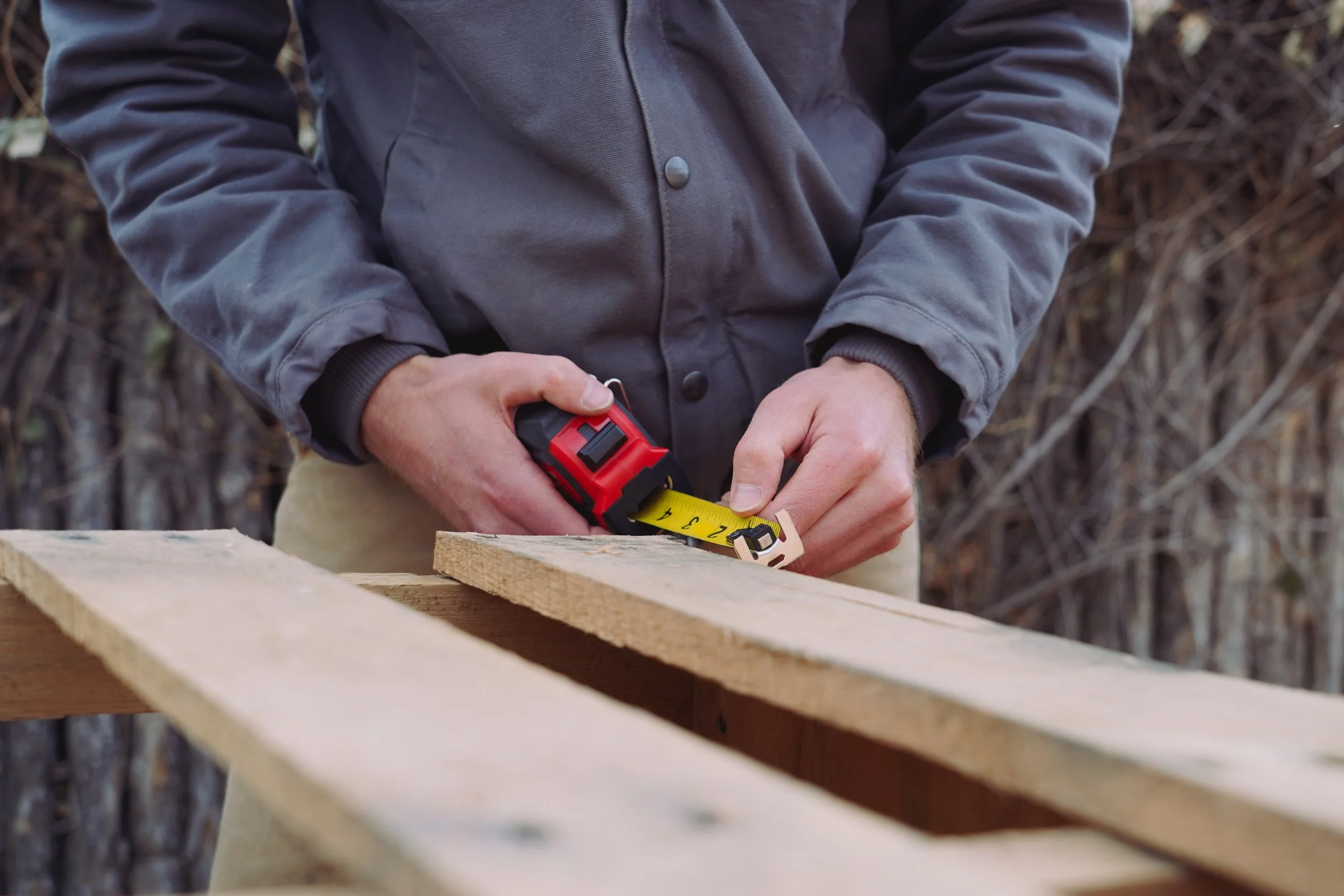
How to Measure Your Pallets: Step-By-Step Guide
Need to verify the dimensions of a pallet you're working with? Here's how to measure accurately.
BEFORE YOU START: TOOLS YOU'LL NEED
Steel measuring tape (at least 50 feet)
Pen and paper or digital note app
Level (optional, to check if pallet is warped)
-
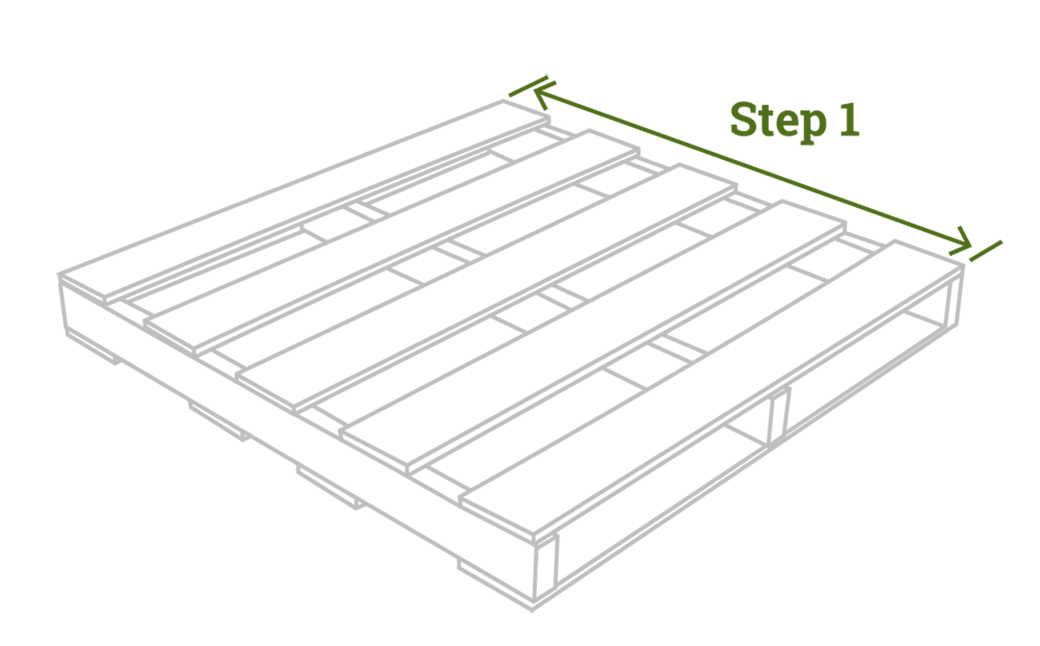
Step 1. Measure the Length
Lay the measuring tape along the longest dimension of the pallet
Measure from the outermost edge on one end to the outermost edge on the opposite end
Record the measurement to the nearest 1/4 inch
-
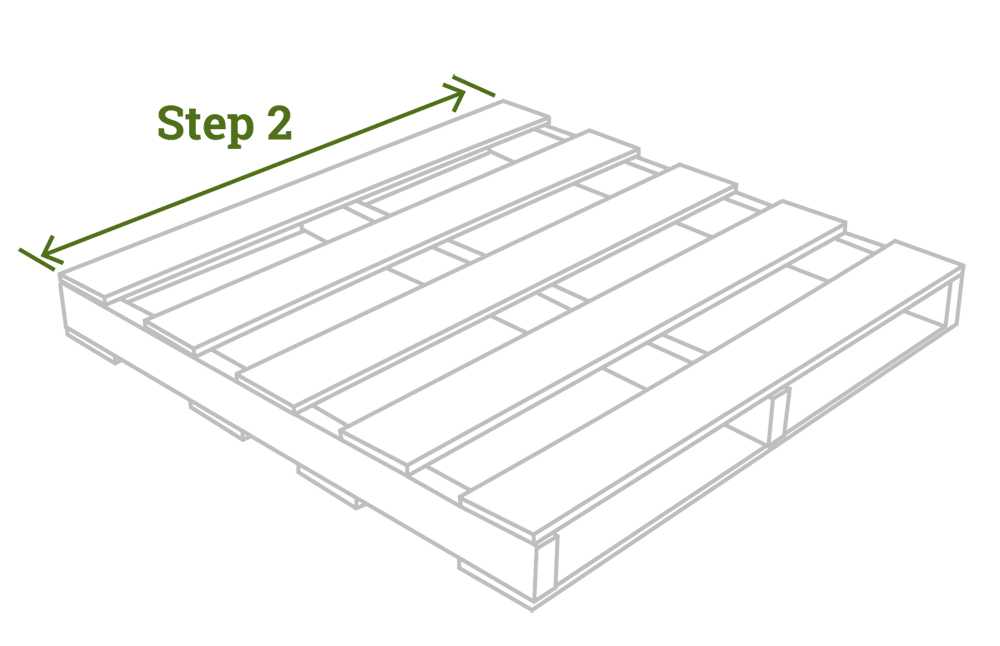
Step 2. Measure the Width
Measure perpendicular to the length along the shortest dimension
Again, measure from outer edge to outer edge
Record the measurement
-

Step 3. Measure the Height
Stand the pallet upright on a flat surface
Measure from the bottom of the pallet to the top of the deck boards
For height, measure at multiple points (all four corners and center) to account for warping
Record the average measurement
-
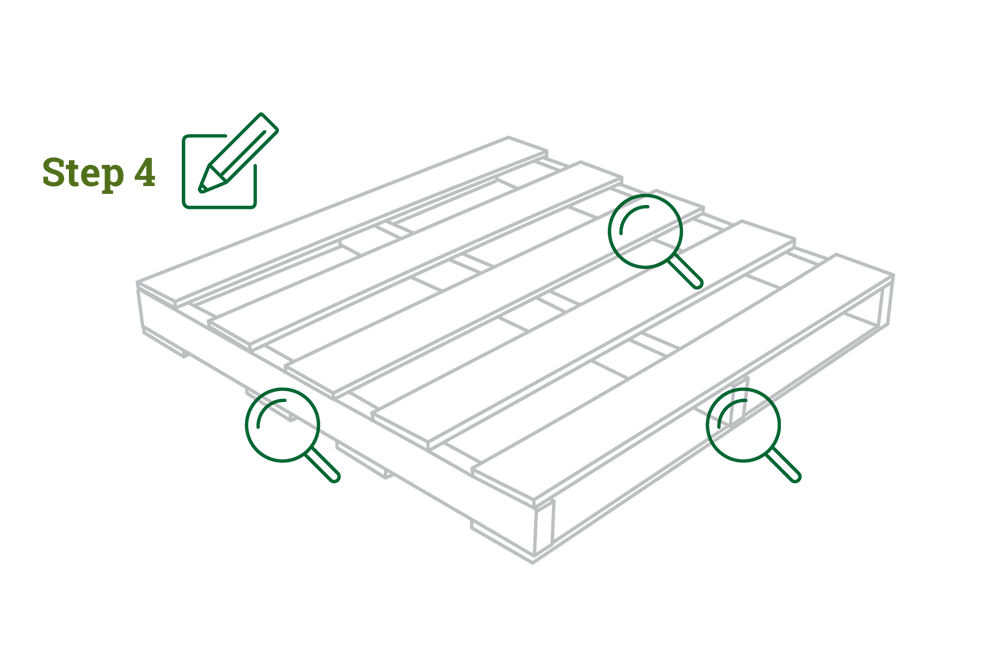
Step 4. Document Any Additional Information
Note the pallet condition (new, used, repaired)
Identify the stringer type (top, bottom, flush, or offset)
Count the number of deck boards
Check for any visible damage or repairs
Note wood type if visible
PRO TIP:
If you're ordering large quantities of pallets, take measurements from 5–10 samples to get an accurate average and identify any variations in sizing.
FAQs About Pallet Dimensions
-
The 48" × 40" × 5.5" GMA pallet is the most common standard in North America, used in retail, food, beverage, and most general industries.
-
No. While GMA (48" × 40") dominates North America and Euro (47.24" × 39.37") dominates Europe, other regions have their own standards. Asia-Pacific often uses different dimensions optimized for shipping containers.
-
Yes, but there are trade-offs. Custom dimensions may offer better product fit but reduce compatibility with standard equipment, warehouses, and transportation networks. Always evaluate the total cost of ownership.
-
Footprint refers to the floor space occupied (length × width), while dimensions include height. Both matter: footprint affects warehouse space utilization, while height affects stacking and vehicle capacity.
-
Most standard stringer pallets hold 1,800–2,000 lbs static capacity. Reinforced and block pallets can handle 2,500–3,000+ lbs. Always verify capacity with your supplier, as it varies by construction.
-
If shipping hardwood pallets internationally, ISPM 15 heat treatment is required for most countries. Softwood pallets and composite pallets may have different requirements depending on destination.
-
Neither is universally "better." Stringer pallets are more cost-effective and easier to repair; block pallets offer better weight distribution and durability. Choose based on your load weight and budget.
Ready to Optimize Your Pallet Strategy?
Olympic Forest Products specializes in helping companies select the right pallet sizes, standardize operations, and reduce supply chain costs. Get a free assessment today.
Questions about pallet sizing or specifications?
Contact our team for expert guidance.