Chemical Pallet 101: All About Solutions for Hazardous Material Handling
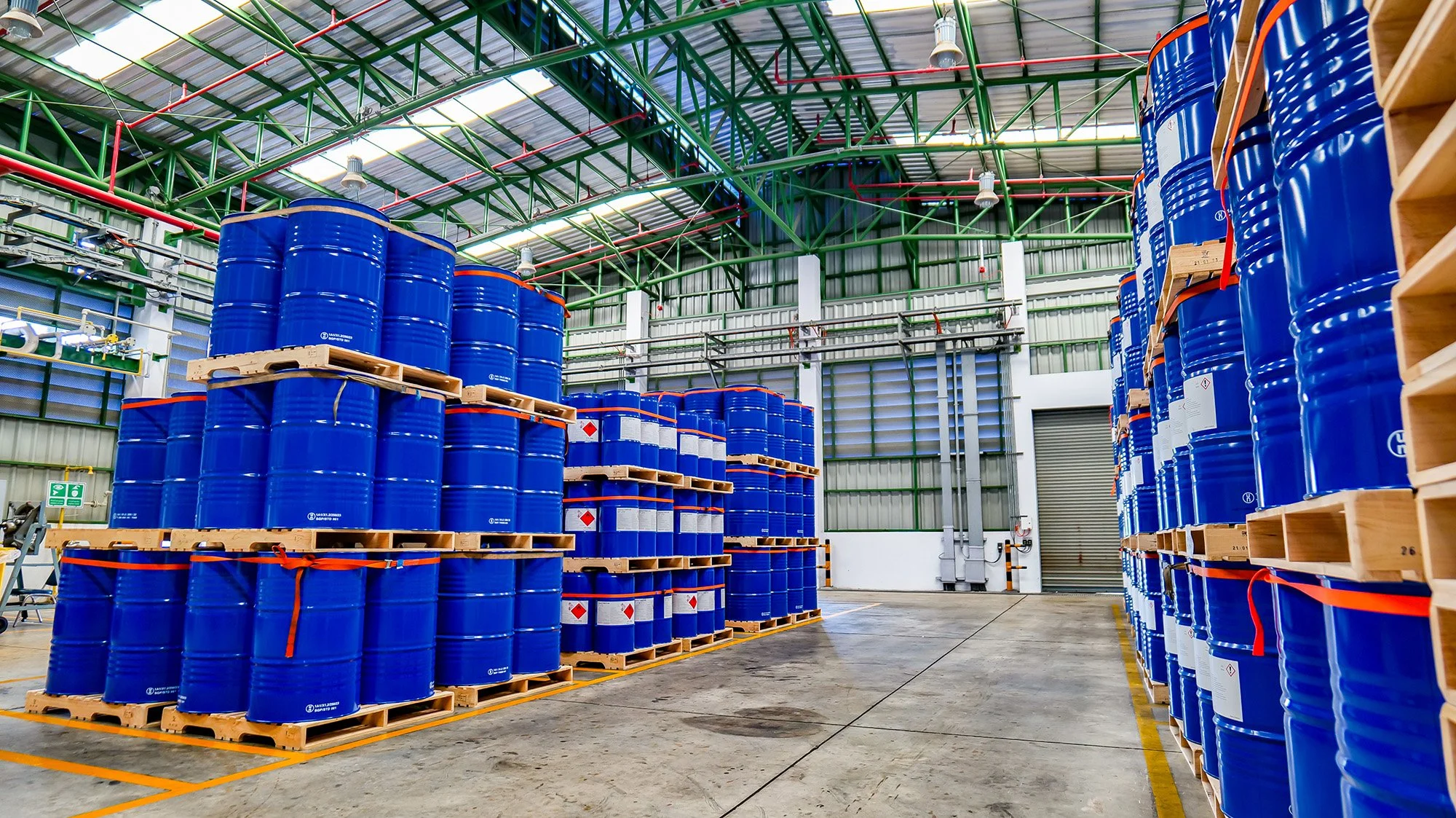
When it comes to shipping and storing hazardous materials, a standard pallet won't cut it. Chemical pallets are specifically engineered to safely handle the unique demands of chemical storage and transportation, protecting both your products and your workers from costly damage and safety risks.
What Is a Chemical Pallet?
A chemical pallet is a specially designed pallet built to safely transport and store chemical products and hazardous materials. Unlike standard pallets, chemical pallets are constructed with materials and treatments that can withstand exposure to corrosive, toxic, or reactive substances without degrading or contaminating the products they carry.
The chemical pallet serves a critical function in industries ranging from manufacturing and pharmaceuticals to agriculture and food processing. Proper chemical pallets ensure regulatory compliance, prevent product damage, and maintain workplace safety.
5 Key Features of Chemical Pallets
Chemical pallets differ from standard pallets in several important ways:
1. Specialized Materials
Chemical pallets are often made from materials that resist corrosion and chemical degradation. Plastic chemical pallets have become increasingly popular because they don't absorb liquids, won't rust, and can be easily cleaned between shipments. Treated wood chemical pallets remain common for certain applications but require proper treatment to prevent absorption.
2. Compatibility Standards
A quality chemical pallet is designed to be compatible with the specific chemicals it will transport. Different chemical pallet types suit different materials—some are ideal for acidic substances, others for oils or solvents. Always verify that your chemical pallet matches your product requirements.
3. Impermeable Surfaces
Chemical pallets feature non-porous surfaces that prevent liquid absorption and contamination. This is crucial because absorbed chemicals can create safety hazards, damage subsequent products, and create disposal headaches. A proper chemical pallet protects against these risks.
4. Enhanced Durability
Chemical pallets are built to withstand harsh conditions—temperature fluctuations, moisture exposure, and chemical contact. The reinforced construction of a chemical pallet means it maintains structural integrity longer than standard alternatives.
5. Easy Cleaning and Sanitization
Chemical pallets are designed for easy cleaning between uses. Smooth surfaces and sealed materials allow thorough decontamination, which is essential when moving between different chemical products.
The Most Common Types of Chemical Pallets
Plastic Chemical Pallets
Plastic chemical pallets offer superior resistance to most chemicals and are ideal for corrosive substances. They're lightweight, moisture-resistant, and perfect for food-grade chemical applications. A plastic chemical pallet typically costs more upfront but provides excellent durability and requires minimal maintenance.
Treated Wood Chemical Pallets
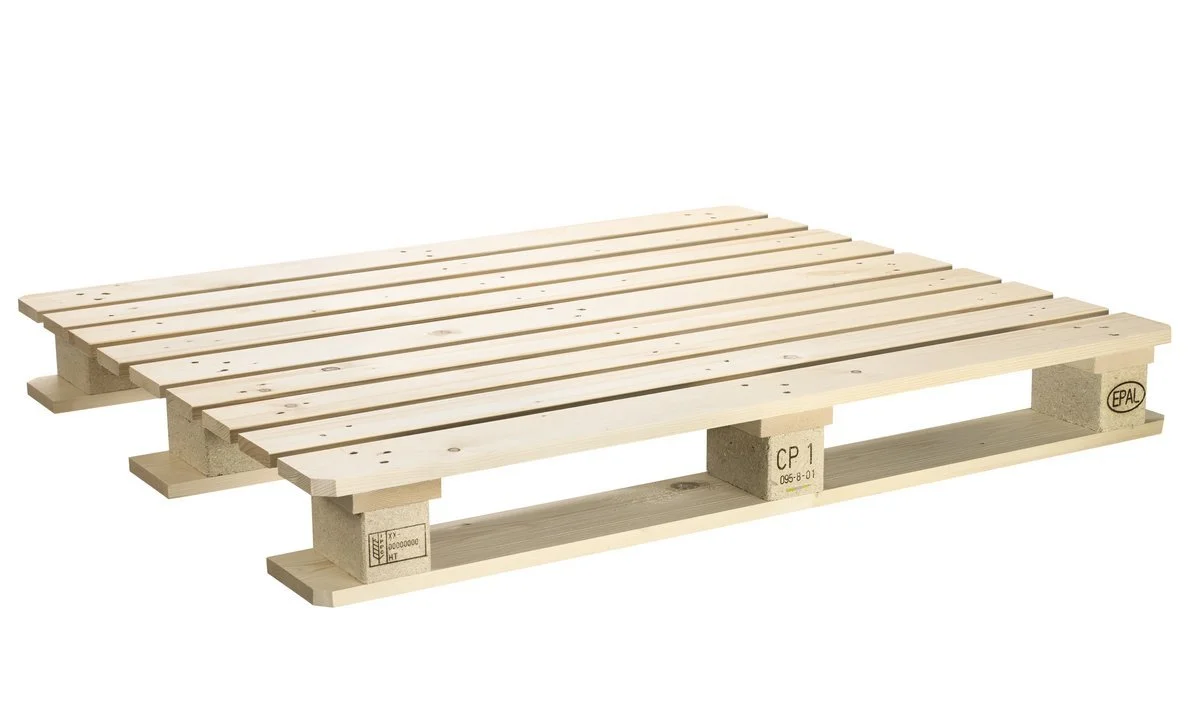
Treated wood chemical pallets remain popular for many applications. They're more affordable than plastic alternatives and work well for non-corrosive chemicals. However, a chemical pallet made from wood requires proper treatment and regular inspection to ensure the treatment hasn't degraded.
Stainless Steel Chemical Pallets
For the most demanding applications, stainless steel chemical pallets provide maximum durability and chemical resistance. These chemical pallets are ideal for highly corrosive substances but come at a premium price point.
Chemical Pallet Regulations and Compliance
Using an appropriate chemical pallet isn't optional—it's often required by law. The EPA, DOT, and OSHA all have regulations governing how hazardous materials must be transported and stored. A compliant chemical pallet helps your business meet these requirements and avoid costly fines.
The right chemical pallet ensures:
Safe transportation of hazardous materials across state and national borders
Workplace safety for employees handling chemicals
Product protection from contamination and degradation
Regulatory compliance with environmental and safety standards
Liability reduction through proper material handling
Choosing the Right Chemical Pallet
Selecting the appropriate chemical pallet for your operation requires careful consideration:
Identify Your Chemicals: Determine which chemicals you'll transport. Acidic, basic, corrosive, flammable, or toxic substances all have different requirements.
Check Compatibility: Verify that your chemical pallet material is compatible with your specific chemicals. Plastic works for most but not all applications.
Consider Frequency: Will you use the chemical pallet multiple times or once? High-use scenarios justify investing in a more durable chemical pallet.
Review Regulations: Ensure your chemical pallet meets DOT, EPA, and industry-specific requirements.
Evaluate Cost: Balance the upfront cost of a quality chemical pallet against the risks of using inadequate alternatives.
Consult Your Supplier: Work with experienced suppliers who understand chemical pallet requirements and can recommend the right solution.
Work with Olympic Forest Products for Chemical Pallet Needs
Chemical handling demands don't leave room for shortcuts. At Olympic Forest Products, we understand that a chemical pallet isn't just about transport—it's about protecting your products, your workers, and your business.
Whether you need plastic chemical pallets for food-safe applications, treated wood options for cost-effective solutions, or specialized chemical pallets for demanding industrial use, Olympic Forest Products has the right solution for your needs.
Need a reliable chemical pallet for your operation? Contact Olympic Forest Products today to discuss your chemical handling requirements and find the perfect pallet solution for your business.
FAQs About Chemical Pallets
Can I use a regular pallet for chemicals?
Not safely. Standard pallets may absorb chemicals, degrade from exposure, or fail to meet regulatory requirements. A proper chemical pallet is designed specifically for hazardous material handling and compliance.
What's the best material for a chemical pallet?
It depends on your chemicals. Plastic chemical pallets work best for most corrosive and food-safe applications. Treated wood chemical pallets are cost-effective for non-corrosive substances. Stainless steel chemical pallets offer maximum durability for the most demanding applications.
How often should a chemical pallet be replaced?
With proper maintenance, a quality chemical pallet lasts several years. Regular inspection for damage, degradation, or contamination helps extend the lifespan of a chemical pallet. Replace if you notice cracks, absorption, or treatment failure.
Are chemical pallets more expensive than standard pallets?
Yes, chemical pallets typically cost more upfront due to specialized materials and construction. However, they last longer, reduce liability risks, and prevent costly product loss or regulatory fines, making them more cost-effective over time.
Do chemical pallets require special storage?
Chemical pallets should be stored in a clean, dry environment away from extreme temperatures. Proper storage helps maintain the integrity of a chemical pallet and extends its usable life.
What regulations apply to chemical pallets?
DOT, EPA, and OSHA regulations govern hazardous material transportation. The specific requirements for a chemical pallet depend on the chemicals you transport. Always consult regulations and your supplier to ensure compliance.