Food Pallets: Why They're Important for Safe Food Transport
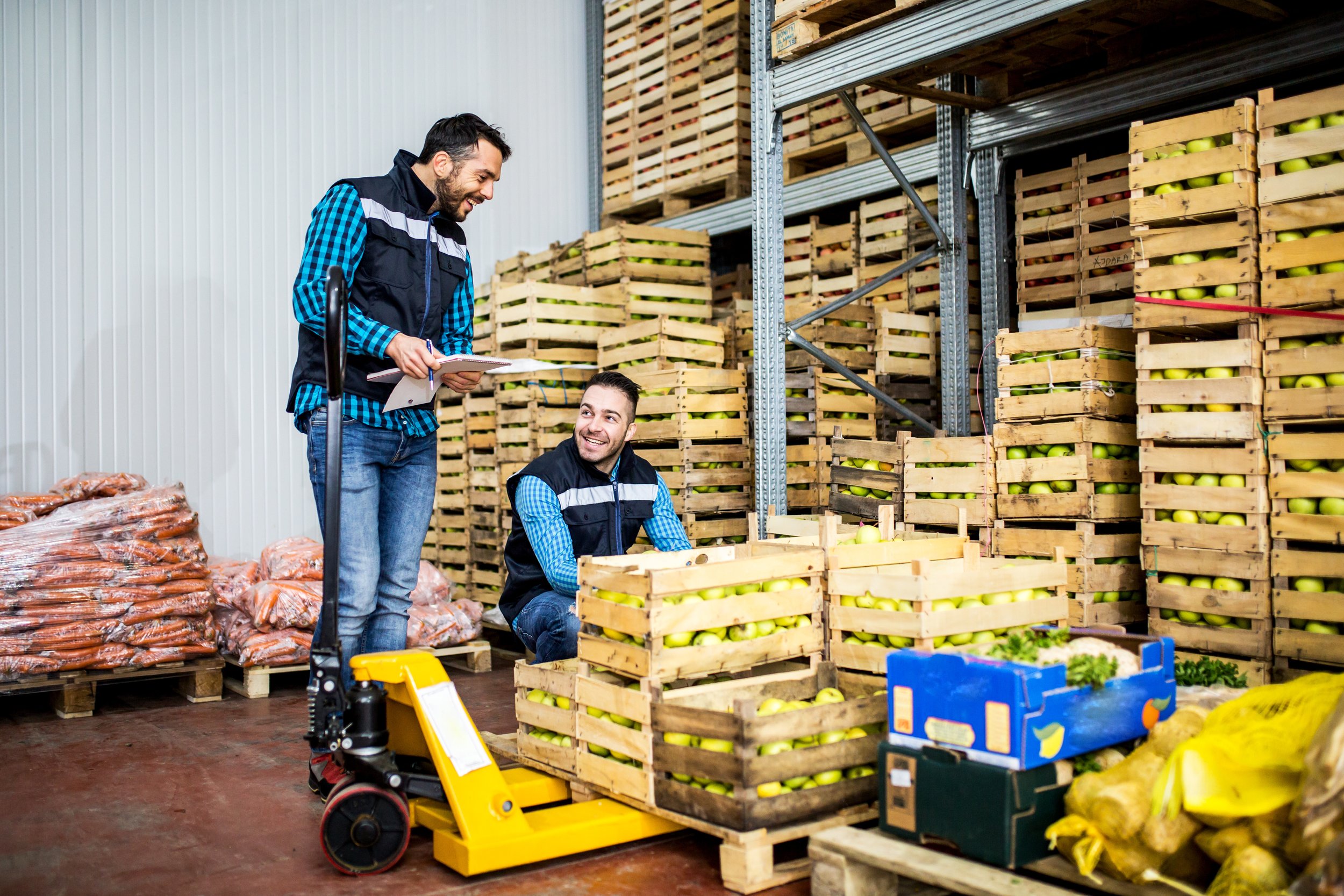
Food safety isn't negotiable. From the moment your products leave the farm, bakery, or processing facility until they reach store shelves, every step of transportation matters. Food pallets play a critical role in this journey, protecting your products from contamination, damage, and spoilage while maintaining compliance with strict food safety regulations.
Whether you're shipping fresh produce, frozen goods, bakery items, or beverages, understanding the importance of proper food pallets is essential for maintaining product quality, protecting consumer health, and maintaining your reputation in the competitive food industry.
What Are Food Pallets?
Food pallets are pallets specifically designed and certified for transporting food and beverage products. Unlike standard pallets used in general logistics, food pallets meet strict regulatory requirements and hygiene standards established by the FDA, USDA, and other food safety organizations.
Food pallets are constructed to prevent contamination, resist moisture, prevent pest infestation, and maintain the integrity of food products during storage and transportation. They represent an investment in both product quality and consumer safety.
Why Food Pallets Matter in Food Transportation
Food safety regulations have become increasingly stringent in recent years. The Food Safety Modernization Act (FSMA) and similar regulations worldwide have raised the bar for how food is handled, transported, and stored. Food pallets are a foundational component of meeting these standards.
They:
Prevent Contamination: The primary reason food pallets exist is contamination prevention. Standard pallets may contain harmful bacteria, mold spores, pesticide residues, or other contaminants from previous loads. Food pallets are sanitized, treated, and often new or certified clean to eliminate these risks. Using proper food pallets prevents cross-contamination and foodborne illness.
Maintain Product Quality: Food pallets are designed with materials and construction that preserve product integrity. Whether it's keeping moisture away from dry goods, preventing bruising of delicate produce, or maintaining proper airflow for temperature-sensitive items, food pallets support quality maintenance throughout the supply chain.
Meet Regulatory Compliance: Food retailers, distributors, and processors require food pallets that meet specific standards. Many major retailers have explicit requirements for food pallets—specifying age, material, treatment, and certification. Using compliant food pallets prevents rejected shipments and maintains supplier relationships.
Protecting Consumer Trust: In an era of food safety recalls and increased consumer awareness, using proper food pallets demonstrates your commitment to safety. This commitment builds trust with retailers, distributors, and ultimately, consumers who depend on your products.
Regulations and Standards for Food Pallets
Understanding the regulatory landscape is crucial for selecting appropriate food pallets.
FDA and USDA Requirements
The FDA establishes guidelines for food contact surfaces, including food pallets. The USDA has specific requirements for meat, poultry, and processed food products. Food pallets must comply with these standards to ensure food safety.
ISPM 15 Certification
International phytosanitary standards require heat treatment or chemical fumigation of wood food pallets used in international trade. Heat-treated food pallets bear the ISPM 15 mark, indicating compliance with international standards.
We have a whole blog on this if you want to learn more about ISPM 15 Certification for pallets.
Retailer-Specific Standards
Major retailers like Walmart, Target, and Costco have their own food pallet specifications. Some require food pallets to be less than two years old, newly manufactured, or certified food-grade. Knowing your retailer's food pallet requirements prevents rejected shipments.
State and Local Requirements
Some states have additional food pallet requirements beyond federal standards. Always verify local regulations where you operate.
5 Steps to Choose the Right Food Pallets for Your Business
Selecting appropriate food pallets requires understanding your specific situation:
1. Know Your Product Requirements
Different food products have different requirements. Produce may need ventilation-focused food pallets, while frozen goods might need robust construction. Bakery products need food pallets that won't introduce foreign materials. Understand your product's specific needs for food pallets.
2. Check Retailer Requirements
Contact your retail partners and distributors to learn their food pallet specifications. Many have detailed requirements for food pallets regarding age, material, certification, and origin. Meeting these food pallet standards prevents supply chain disruptions.
3. Verify Certifications
Ensure your food pallets come with proper certification. Look for documentation proving food-grade status, heat treatment (if required), and compliance with relevant standards. Certified food pallets provide liability protection and regulatory compliance.
4. Consider Your Supply Chain Model
Are you using one-way or multi-trip food pallets? One-way shipments often use less expensive certified used food pallets, while multi-trip operations may justify investment in newer food pallets with longer lifespans.
5. Evaluate Cost vs. Risk
Balance the cost of food pallets against the risks of using inadequate alternatives. A contamination incident costs far more than premium food pallets ever will. Quality food pallets are an investment in your business continuity.
5 Common Food Pallet Mistakes to Avoid
Using Standard Pallets for Food: This is the most critical mistake. Standard pallets may look fine but could carry hidden contamination. Never use non-certified food pallets for food products, regardless of cost savings.
Failing to Verify Certifications: Accepting a supplier's word that food pallets are food-grade without documentation creates liability. Always require written certification for food pallets.
Ignoring Retailer Requirements: Not meeting specific retailer food pallet requirements results in rejected shipments, costly delays, and damaged supplier relationships. Always verify food pallet specifications with major customers.
Reusing Food Pallets Without Proper Sanitization: If reusing food pallets, ensure proper cleaning and sanitization between uses. Residue from previous products on food pallets can cross-contaminate new shipments.
Not Accounting for Regulatory Changes: Food safety regulations evolve. Stay informed about changes that might affect food pallet requirements. Regular communication with your food pallet supplier helps ensure ongoing compliance.
How Food Pallets Affect Supply Chain Efficiency
Beyond safety, food pallets impact your supply chain efficiency:
Reduced Damage and Spoilage
Proper food pallets protect products during storage and transit, reducing waste and loss. This directly impacts your bottom line and sustainability goals.
Faster Processing
Food pallets designed for your specific products enable faster loading, unloading, and processing at distribution centers. Efficiency gains compound across your supply chain.
Better Inventory Management
Standardized food pallets improve inventory tracking and management. When all food pallets meet consistent standards, supply chain visibility improves.
Enhanced Compliance and Audit Performance
Using certified food pallets simplifies compliance documentation and improves audit results. This reduces regulatory risk and provides competitive advantage.
Partner with Olympic Forest Products for Your Food Pallet Needs
At Olympic Forest Products, we understand that food pallets aren't just about compliance—they're about protecting your brand, your customers, and your business. We've spent years partnering with food manufacturers, distributors, and retailers to understand the real-world demands of food transportation.
Ready to upgrade your food transportation safety? Contact Olympic Forest Products today to discuss your food pallet requirements and discover how we can strengthen your supply chain.
FAQ About Food Pallets
What makes a pallet "food-safe"?
Food pallets must be constructed from non-contaminated materials, treated to prevent pest infestation, cleaned to eliminate bacteria and residues, and often certified by regulatory bodies. Food pallets also must not have been used for hazardous materials that could transfer contamination.
Are plastic food pallets better than wood food pallets?
Both can work well. Plastic food pallets offer superior hygiene and durability but cost more. Wood food pallets are more affordable if properly treated and certified. Choose based on your specific product requirements and budget. Consult your supplier about food pallets that best suit your needs.
How old can food pallets be?
A: Many retailers specify that food pallets must be less than two years old or newly manufactured. Some specify a one-year maximum. Always check your retailer's food pallet requirements, as they vary significantly.
Do I need heat-treated food pallets for domestic shipments?
Heat-treated food pallets are required for international shipments to meet ISPM 15 standards. For domestic-only operations, they're typically optional unless specifically required by your retailer or for certain products.
Can I use a certified used food pallet multiple times?
Yes. Certified used food pallets can be reused multiple times if properly cleaned and sanitized between uses. Ensure the food pallets remain in good condition and are cleaned appropriately for each use.
What happens if I use a non-food pallet for food products?
This creates serious liability and regulatory risks. Non-food pallets may harbor contamination that causes foodborne illness. You could face regulatory fines, product recalls, lawsuits, and severe damage to your brand reputation. Always use proper food pallets.
How do I verify that food pallets are actually food-grade?
Request written certification from your supplier. Food pallets should come with documentation proving food-grade status, certification source, and testing information. Never accept verbal assurances without documentation.