How Optimizing Pallet Configuration Reduces Shipping Costs
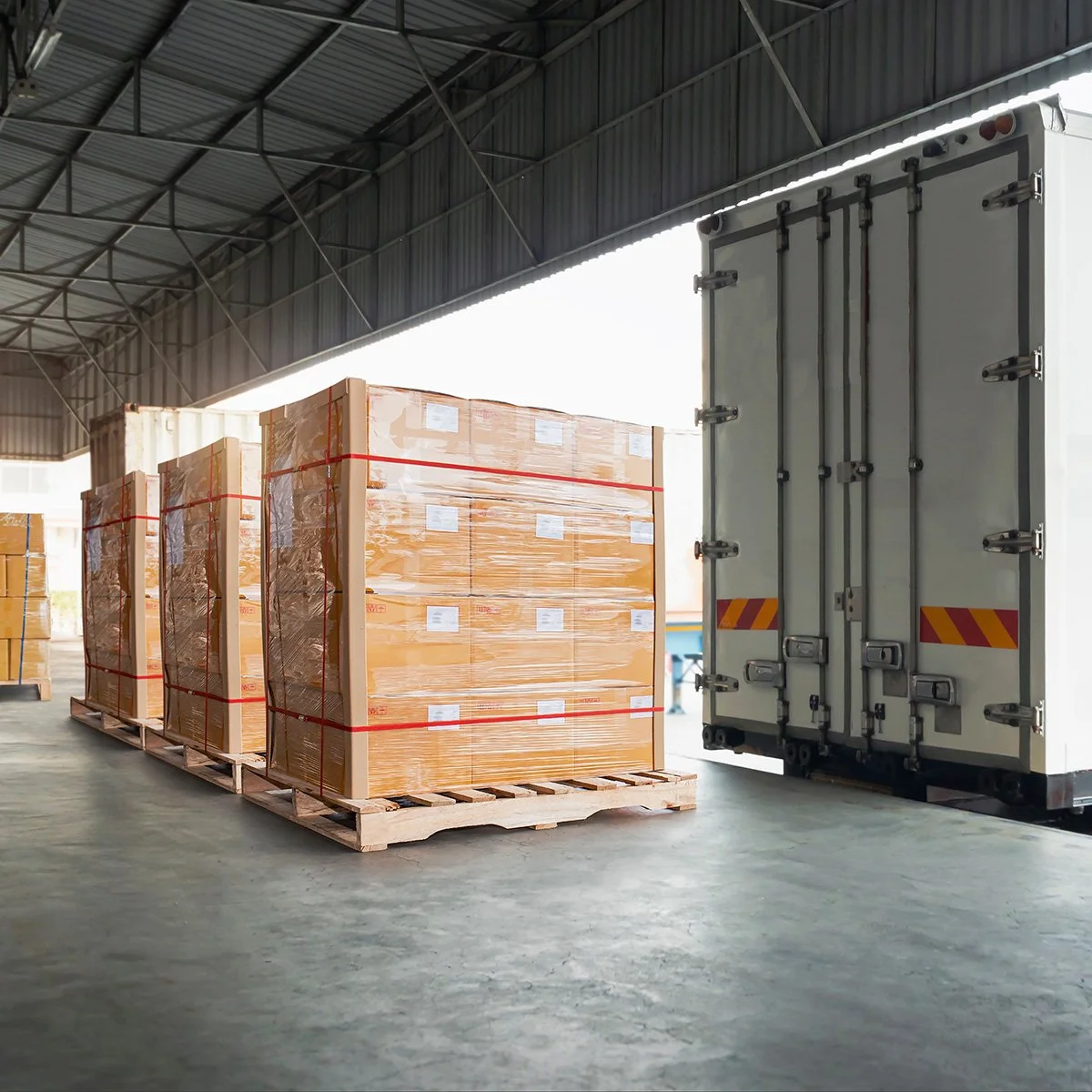
With freight rates fluctuating and supply chains under constant pressure, many businesses are looking for ways to reduce transportation costs. Often, the focus goes straight to negotiating better rates or changing carriers. But one of the most overlooked opportunities sits much closer to home: how your product is configured on a pallet.
Understanding how optimizing pallet configuration reduces shipping costs can meaningfully impact your bottom line. Small changes in how products are stacked, supported, and shipped can lead to better space utilization, fewer shipments, and less product damage over time.
What Is Pallet Configuration?
Pallet configuration refers to how products are arranged and secured on a pallet. This includes the stacking pattern, overall height, weight distribution, and the method used to stabilize the load for transport.
Proper configuration looks at fitting product onto a pallet – but doing so in a way that maximizes efficiency while maintaining safety and integrity throughout the supply chain.
A well-designed pallet configuration ensures that each load is stable, consistent, and optimized for both storage and transportation. When done correctly, it allows you to move more product with fewer resources.
Why Pallet Configuration Has a Direct Impact on Shipping Costs
Shipping costs are driven by two primary factors: 1) space and 2) weight.
If your pallets are not configured efficiently, you may be sending partially filled loads or wasting valuable trailer space. That means fewer units per shipment and a higher cost per unit moved.
Even small inefficiencies can add up. Across dozens of shipments, underutilized space can significantly increase total transportation spend.
On the other hand, optimizing pallet configuration allows you to get more product into each shipment without compromising safety. The result is fewer trucks on the road, lower freight costs, and improved overall efficiency.
4 Key Ways Optimizing Pallet Configuration Reduces Shipping Costs
1. Maximizing Space Utilization
One of the most immediate benefits of optimizing pallet configuration is improved space utilization. When products are stacked more efficiently, you can fit more units per pallet and more pallets per truck. This reduces the number of shipments required and lowers your overall transportation costs.
2. Improving Load Stability
Better configuration also improves load stability. When weight is distributed evenly and products are properly supported, there is less shifting during transit. This reduces the likelihood of damage, which can lead to costly returns, replacements, and disruptions.
3. Increasing Packaging Efficiency
Another important factor is packaging efficiency. When pallet configuration is optimized, you often need less stretch wrap, fewer reinforcements, and less excess packaging material. These savings may seem small on a per-load basis, but they compound quickly across your operation.
4. Enhancing Operational Efficiency
Operational efficiency also improves with better pallet configuration. Well-configured pallets are easier to handle, load, and unload. This can reduce labor time, improve throughput, and minimize bottlenecks in both warehouse and transportation processes.
5 Common Pallet Configuration Mistakes
Many inefficiencies come down to a few common issues:
Product overhang: Items extending beyond the edges of the pallet waste space and increase the risk of damage during handling and transit
Underutilized pallet space: Not maximizing height or footprint means you’re effectively paying to ship air
Uneven weight distribution: Creates instability and increases the risk of load shifting or collapse
Improper stacking height: Stacking too high without support compromises safety, while stacking too low leaves valuable space unused
Poor trailer fit: Failing to consider how pallets fit within trailers or containers can lead to inefficient shipments and missed cost-saving opportunities
Factors to Consider When Optimizing Pallet Configuration
Optimizing pallet configuration requires a holistic view of your operation.
Product Dimensions and Packaging
Product dimensions and packaging play a major role. The size, shape, and stackability of your products determine how efficiently they can be arranged on a pallet.
Pallet Size and Design
Pallet size and design are equally important. A standard pallet may not always be the best fit for your product. In some cases, a custom pallet size can significantly improve space utilization and load performance.
Shipping Method
Shipping method also matters. Full truckload shipments, LTL, and export containers all have different requirements and constraints. Your configuration should be tailored to how your products move through the supply chain.
Handling and Storage Conditions
Handling and storage conditions must also be considered. Whether pallets are stored in racks, stacked on the floor, or moved frequently by forklifts can influence how loads should be configured.
Weight Limits and Safety Regulations
Weight limits and safety regulations must always be factored in. Optimizing for efficiency should never come at the expense of safety.
The Role of Pallet Design in Configuration Optimization
Pallet configuration and pallet design go hand in hand.
Even the most efficient stacking pattern won’t deliver results if the pallet itself isn’t designed to support it. A pallet that is too small can lead to overhang, while one that is too large may result in wasted space. Structural design is also critical. If a pallet cannot support increased stacking height or heavier loads, it limits your ability to optimize configuration.
This is why evaluating pallet design is a key part of improving shipping efficiency. The right pallet enables better configuration – not the other way around.
How Unit Load Analysis Drives Better Results
Because so many variables influence pallet configuration, many businesses benefit from a more advanced approach: unit load analysis. Unit load analysis evaluates the entire system—pallet, product, and environment—to determine how everything performs together. Rather than relying on assumptions, it uses real-world data and testing to identify the most efficient and effective configuration.
This approach allows you to uncover opportunities that may not be obvious, from improving load stability to increasing trailer utilization. It ensures that your pallet configuration is not only efficient, but also sustainable over time.
Optimize Your Pallet Configuration with Olympic Forest Products
Understanding how optimizing pallet configuration reduces shipping costs is the first step. Putting that knowledge into action is where the real value lies.
At Olympic Forest Products, we work with businesses to evaluate and optimize pallet configurations through a combination of unit load analysis and customized pallet design. By looking at how your products are packed, handled, and shipped, we identify opportunities to improve efficiency without compromising performance. The result is a more streamlined operation that reduces costs, minimizes damage, and makes better use of every shipment.
If you’re looking for ways to improve your shipping efficiency, it may be time to take a closer look at your pallet configuration. Learn more about our performance review approach and how we can help you get more out of every load.