Skid vs. Pallet: What’s the Difference?
If you’ve ever heard the terms “skid” and “pallet” used interchangeably, you’re not alone. In many industries, the two are often treated as the same thing – but there are important differences that can impact how your products are stored, handled, and shipped.
Understanding skid vs pallet differences is more than just terminology. Choosing the right option can improve efficiency, reduce damage, and ensure your operation runs smoothly from warehouse to delivery. In this guide, we’ll break down what skids and pallets are, how they differ, and when each one makes sense for your operation.
Let’s break down the basics.
What Is a Pallet?
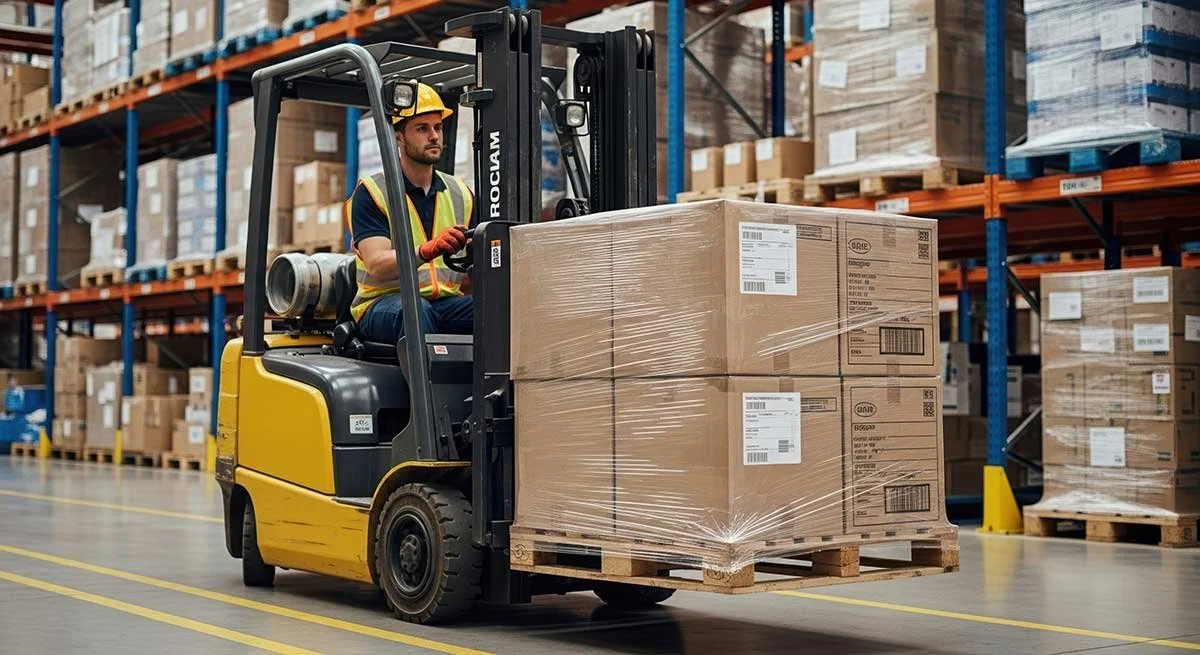
A pallet is a flat, portable platform designed to support goods during storage and transportation. It typically consists of both a top and bottom deck, connected by stringers or blocks, which creates a stable structure that can be lifted by forklifts or pallet jacks.
Most modern pallets are designed for four-way entry, meaning they can be accessed from all sides. This makes them highly versatile and well-suited for today’s fast-moving supply chains.
Pallets are widely used across industries for shipping, warehousing, and distribution. Their design allows for efficient stacking, racking, and repeated handling, making them the standard for most logistics operations.
When Should You Use a Pallet?
For most businesses, pallets are the default choice – and for good reason.
They are ideal for shipping and distribution environments where goods need to be moved quickly and efficiently. Their compatibility with racking systems makes them essential for warehouse storage, and their design supports repeated handling without compromising performance. If your operation involves high volumes, frequent movement, or standardized logistics processes, pallets are typically the better option.
Why Pallets Are More Common in Modern Supply Chains
As supply chains have evolved, pallets have largely replaced skids in most applications.
Modern logistics systems rely on speed, efficiency, and flexibility. Pallets are designed to meet these demands, with features that support automated handling, efficient stacking, and seamless integration with transportation systems.
Their ability to move easily through every stage of the supply chain—from production to storage to delivery—makes them the standard for today’s operations.
What Is a Skid?
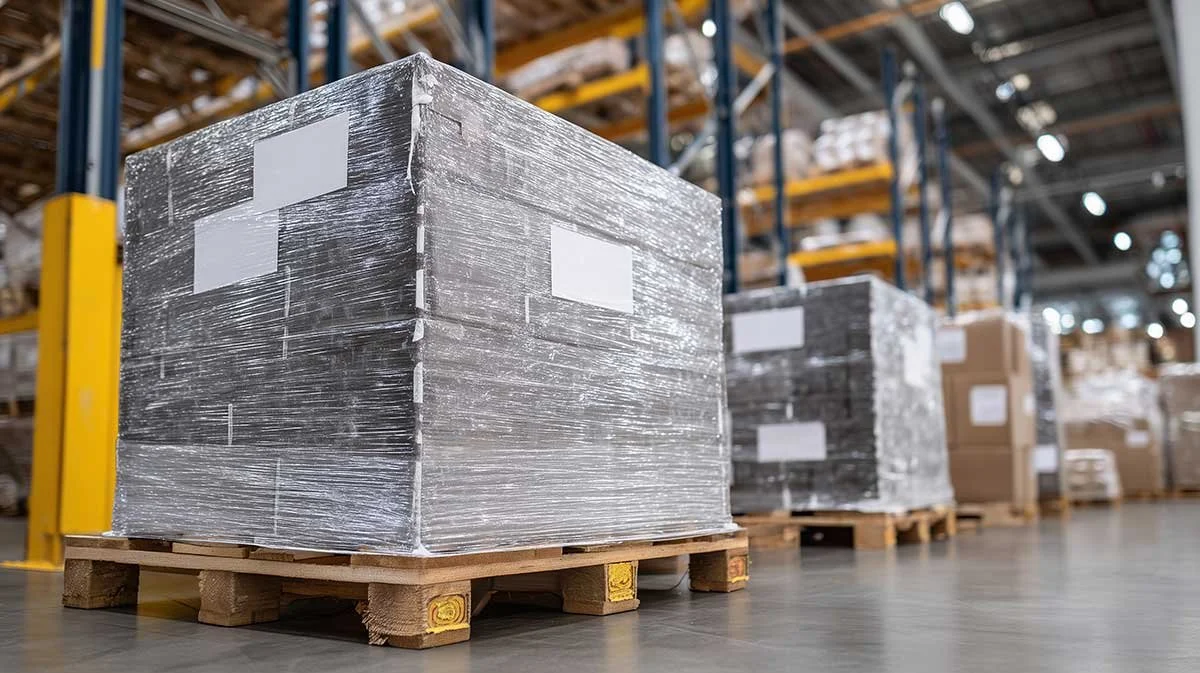
A skid is a simpler platform that predates the modern pallet. Unlike a pallet, a skid does not have a bottom deck. Instead, it rests directly on its stringers, which allows it to sit flat on the ground.
Because of this design, skids are typically limited to two-way forklift entry and are less adaptable to modern handling systems.
Historically, skids were used as a base for moving heavy loads by dragging or sliding. Today, they are still used in specific applications, particularly for heavy machinery or equipment that needs a stable, stationary base.
When Should You Use a Skid?
Skids are best suited for more specialized applications.
They are commonly used for heavy machinery, equipment bases, or situations where loads remain stationary for extended periods. Their simple design can also make them a practical choice when sliding or ground-based movement is required.
In these cases, the added features of a pallet may not be necessary, and a skid can provide a more straightforward solution.
Skid vs Pallet: 5 Key Differences
While skids and pallets may look similar at a glance, their structural differences lead to distinct performance characteristics.
1. Structural Design
The most noticeable difference is construction. Pallets have both a top and bottom deck, which creates a more rigid and balanced structure. Skids, on the other hand, have no bottom deck, which simplifies the design but reduces overall support.
2. Forklift Entry
Pallets are typically designed for four-way entry, allowing forklifts and pallet jacks to access them from multiple directions. Skids are generally limited to two-way entry, which can restrict handling flexibility.
3. Stability and Support
Because of their bottom deck, pallets provide better load distribution and stability. This makes them more reliable for stacking and transporting goods. Skids rely more heavily on their stringers and direct ground contact, which can limit their ability to support certain loads.
4. Handling and Mobility
Pallets are built for repeated handling and movement, making them ideal for dynamic environments like warehouses and distribution centers. Skids, by contrast, are better suited for applications where loads remain relatively stationary or are moved less frequently.
5. Typical Use Cases
Pallets are the standard for most shipping and storage applications. Skids are more commonly used for heavy equipment, industrial machinery, or situations where a simple base is sufficient.
Pros and Cons of Skids vs Pallets
Both skids and pallets have their advantages, depending on the application.
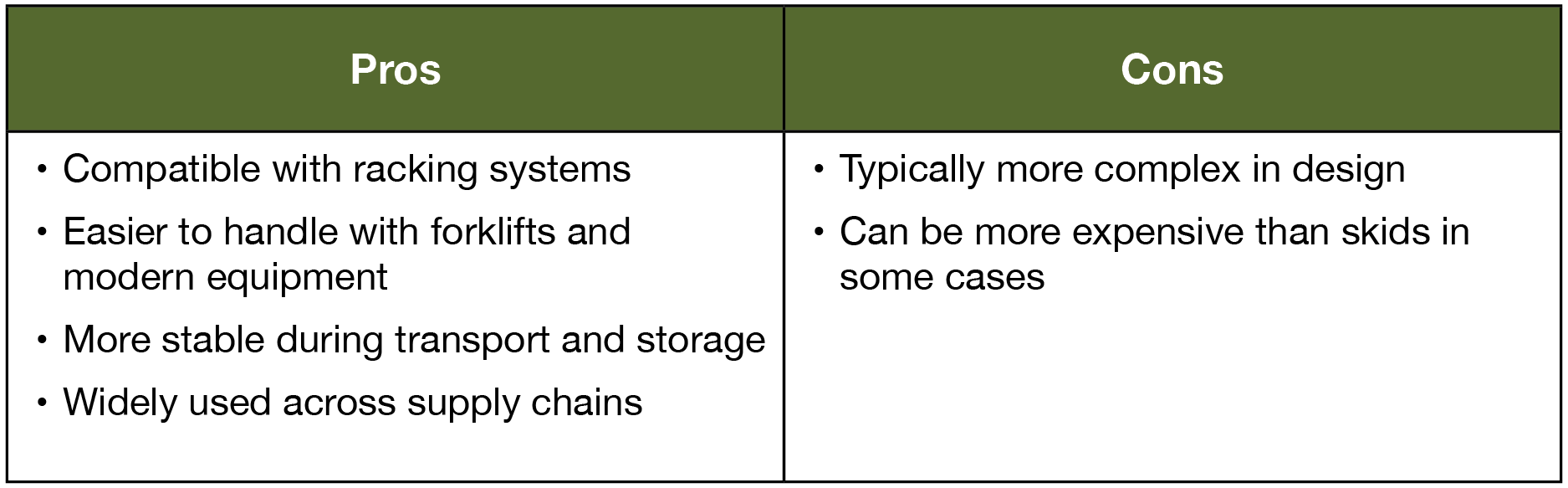
Pallet Pros and Cons
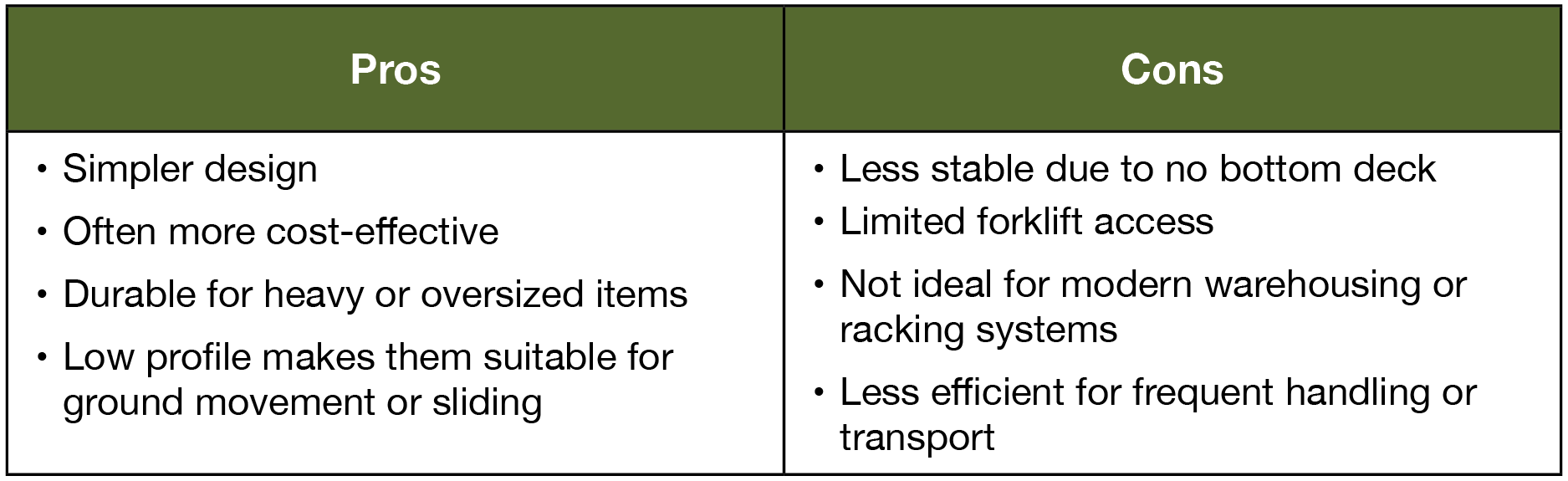
Skid Pros and Cons
Choosing the Right Option (Skid vs Pallet) for Your Operation
When evaluating skid vs pallet options, the right choice depends on how your products move through your operation.
Factors such as product weight, handling frequency, storage methods, and transportation requirements all play a role. What works for one application may not be the best fit for another.
Rather than defaulting to one option, it’s important to consider how each solution aligns with your specific needs.
How Unit Load Analysis Helps You Choose Between Skid vs Pallet
Because so many variables influence performance, many businesses benefit from a more comprehensive approach. Unit load analysis evaluates the entire system – pallet or skid, product, handling environment, and storage conditions – to determine the best solution. This process looks beyond basic design and focuses on how everything performs together in real-world conditions.
By taking this approach, you can make more informed decisions that improve efficiency, reduce damage, and control costs over time.
Work with Olympic Forest Products to Find the Right Solution
Understanding the difference between a skid vs pallet is the first step. Choosing the right solution for your operation is where the real value comes in.
At Olympic Forest Products, we work with businesses to evaluate their needs and design solutions that support long-term performance. Through our unit load analysis services, we assess your products, handling processes, and storage environment to determine whether a pallet, skid, or customized approach is the best fit.
If you’re unsure which option is right for your operation, our team is here to help. Connect with Olympic Forest Products to find the right solution for your business.