This Year’s Predicted Supply Chain Collaboration Trends
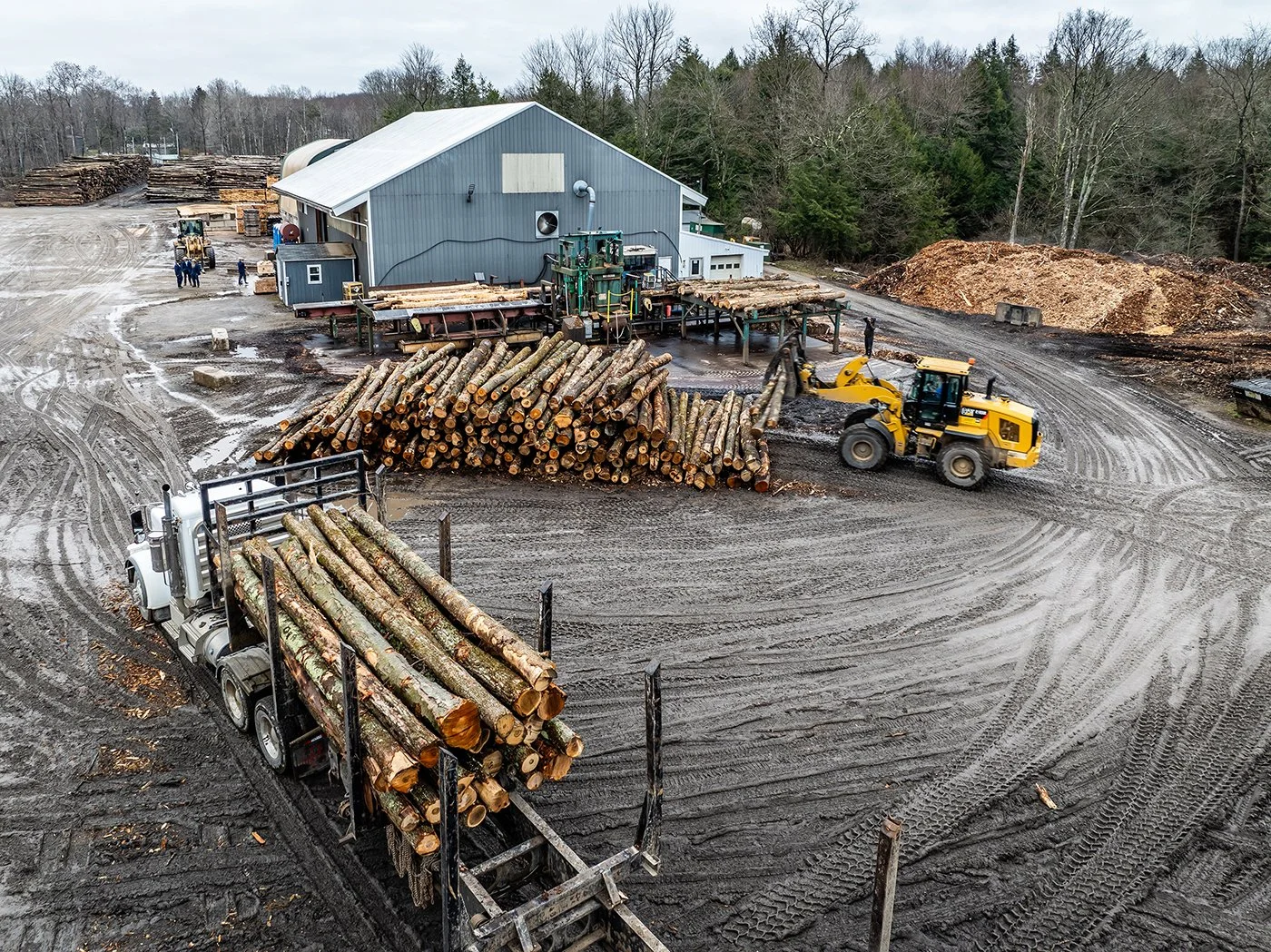
Gone are the days when supply chains are built on transactions – instead, today, they are built on relationships.
As businesses continue to navigate material volatility, labor constraints, transportation uncertainty, tariff difficulties, and rising customer expectations, collaboration has become one of the most critical drivers of resilience and performance.
This year’s supply chain collaboration trends reflect a shift away from reactive problem-solving toward proactive partnership. Companies that prioritize:
Transparency
Shared planning
Long-term alignment
are better positioned to weather disruption and create lasting value across their supply networks.
Why Supply Chain Collaboration Matters More Than Ever
The past several years have exposed the limitations of siloed supply chains.
When suppliers, manufacturers, logistics providers, and customers operate independently, even minor disruptions can ripple into costly delays and shortages. Collaboration helps reduce those risks by aligning expectations, improving communication, and enabling faster decision-making.
More importantly, collaboration allows companies to move from short-term fixes to long-term strategies. Instead of scrambling to source materials or replace vendors during periods of disruption, organizations that invest in collaborative partnerships are better equipped to anticipate challenges and respond with agility.
How Supply Chain Collaboration Improves Cost Control, Reliability, and Risk Management
These supply chain collaboration trends aren’t just about relationships—they deliver tangible business benefits. Companies that collaborate closely with their partners often experience fewer disruptions, more predictable lead times, and improved service levels.
Collaboration also supports better cost management. By sharing forecasts, aligning production schedules, and planning proactively, companies can reduce rush orders, minimize inefficiencies, and avoid inflated spot pricing. Over time, this approach lowers total cost of ownership while improving reliability.
5 Supply Chain Collaboration Trends We Can Look Forward to in 2026
So, with all of this in mind, what are the trends we can look forward to in 2026? Let’s take a closer look.
Supply Chain Collaboration Trend #1: Deeper, More Strategic Supplier Partnerships
One of the most prominent supply chain collaboration trends this year is the move away from purely transactional vendor relationships. Companies are increasingly treating suppliers as strategic partners rather than interchangeable service providers.
This shift includes longer-term agreements, more frequent communication, and shared accountability for outcomes. Suppliers are being brought into conversations earlier, especially when it comes to forecasting demand, managing capacity, and planning for seasonal or market-driven fluctuations. When both sides understand each other’s constraints and priorities, the entire supply chain becomes more stable.
Supply Chain Collaboration Trend #2: Greater Data Sharing and Visibility
Visibility has become the foundation of effective collaboration. Companies are recognizing that sharing relevant data—rather than guarding it—creates better outcomes for everyone involved.
This includes transparency around inventory levels, usage patterns, lead times, and demand forecasts. When partners have access to consistent, accurate information, they can align production schedules, reduce excess inventory, and avoid last-minute surprises. While data-sharing requires trust, it ultimately strengthens partnerships by reducing friction and improving predictability.
Supply Chain Collaboration Trend #3: Technology That Enables Connection, Not Complexity
Technology continues to play a significant role in collaboration, but the focus has shifted. Instead of adding tools for the sake of digitization, companies are prioritizing systems that improve communication and coordination across partners.
Integrated platforms, shared dashboards, and streamlined reporting tools help teams stay aligned without overwhelming them with data. The most effective technology solutions support collaboration by making information accessible, actionable, and easy to understand—while still leaving room for human relationships and judgment.
Supply Chain Collaboration Trend #4: Sustainability as a Shared Responsibility
Sustainability is no longer a standalone initiative handled by one department. It has become a collaborative effort that spans suppliers, manufacturers, and logistics partners.
Companies are increasingly working together to reduce waste, improve material efficiency, and support recycling and reuse programs. These efforts are most successful when sustainability goals are aligned across the supply chain, rather than pushed downstream to a single partner. Collaboration ensures that environmental responsibility supports operational performance instead of competing with it.
Supply Chain Collaboration Trend #5: Stronger Cross-Functional Alignment Within Organizations
Collaboration isn’t limited to external partners. Internally, companies are breaking down silos between procurement, operations, logistics, and finance to create more cohesive supply chain strategies.
When internal teams share information and align priorities, external collaboration becomes easier and more effective. Decisions are made faster, trade-offs are more apparent, and partners receive more consistent communication. This internal alignment is a critical—but often overlooked—component of successful supply chain collaboration.
What These Supply Chain Collaboration Trends Mean for the Year Ahead
Looking ahead, collaboration will continue to separate resilient supply chains from reactive ones. Companies that invest in communication, transparency, and long-term partnerships will be better prepared to handle market fluctuations and evolving customer demands.
Rather than focusing solely on price, organizations are increasingly evaluating partners based on reliability, responsiveness, and willingness to collaborate. This shift reflects a broader understanding that strong partnerships create value that extends far beyond individual transactions.
Build Collaborative Supply Chain Partnerships with Olympic Forest Products
At Olympic Forest Products, collaboration is at the core of how we work with customers and partners. From pallet sourcing and design to inventory planning and logistics support, we prioritize open communication, transparency, and long-term alignment.
Our team works closely with customers to understand their operational needs, anticipate challenges, and develop solutions that support efficiency, sustainability, and growth. By treating collaboration as a strategic advantage—not just a process—we help our partners build stronger, more resilient supply chains.
If you’re looking to strengthen collaboration within your supply chain this year, Olympic Forest Products is here to help you move forward with confidence.