Industry Guide to Pallet Handling Equipment

Pallet handling equipment plays a critical role in keeping warehouses, manufacturing facilities, and distribution centers running efficiently. While pallets provide the foundation for moving goods, the equipment used to lift, transport, store, and position those pallets ultimately determines how safely and effectively materials flow throughout an operation.
From small warehouses relying on manual pallet jacks to highly automated facilities using conveyors and robotic systems, pallet handling equipment is essential to protecting products, reducing labor strain, and maintaining consistent throughput.
Understanding the different types of pallet handling equipment and how they interact with pallet design is key to building a reliable and scalable logistics operation. Let’s dive deeper to understand this vital equipment better.
What Is Pallet Handling Equipment?
Pallet handling equipment refers to the tools and machinery used to move palletized loads throughout a facility. This includes equipment used at receiving docks, within storage areas, on production floors, and at outbound shipping points. The goal of pallet handling equipment is to move goods efficiently while minimizing product damage, workplace injuries, and operational delays.
Because pallets vary in size, material, weight capacity, and construction, handling equipment must be selected with those factors in mind. When pallets and equipment are properly matched, operations run smoothly.
When they are not, businesses often experience broken pallets, damaged goods, safety incidents, and increased downtime.
4 Types of Pallet Handling Equipment
Pallet handling equipment comes in many forms, each designed to support specific tasks and environments.
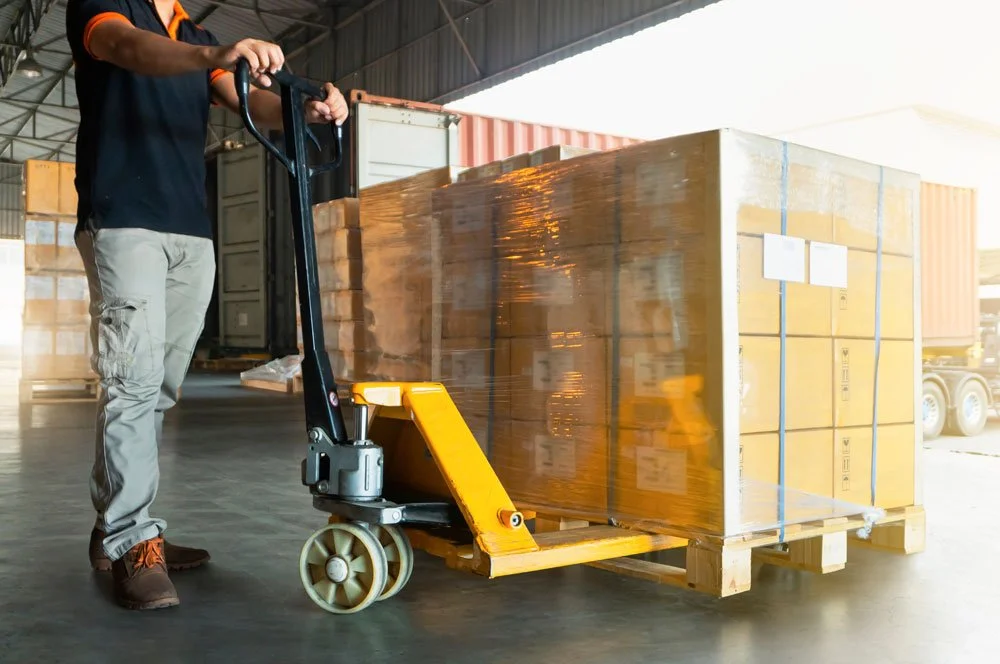
1. Pallet Jacks (Manual and Electric)
Manual pallet jacks are widely used for short-distance movement of palletized goods, especially in tight spaces or lower-volume operations. They are cost-effective, easy to maintain, and ideal for loading docks or retail backrooms. Electric pallet jacks expand on this functionality by reducing operator fatigue and increasing efficiency in facilities that move heavier loads or operate over longer distances.
2. Forklifts
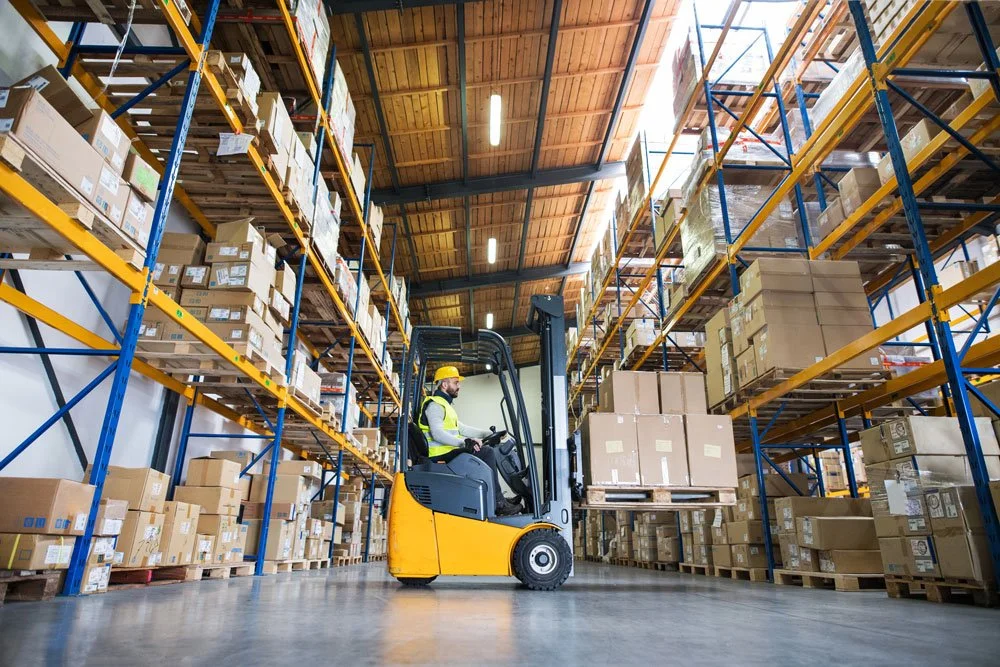
Forklifts are the backbone of most pallet handling operations. Counterbalance forklifts are commonly used for loading and unloading trucks, while reach trucks and narrow-aisle forklifts support high-density storage environments. Forklift selection depends heavily on pallet weight, size, and material, as well as aisle width and racking configuration.
3. Conveyors and Automated Systems
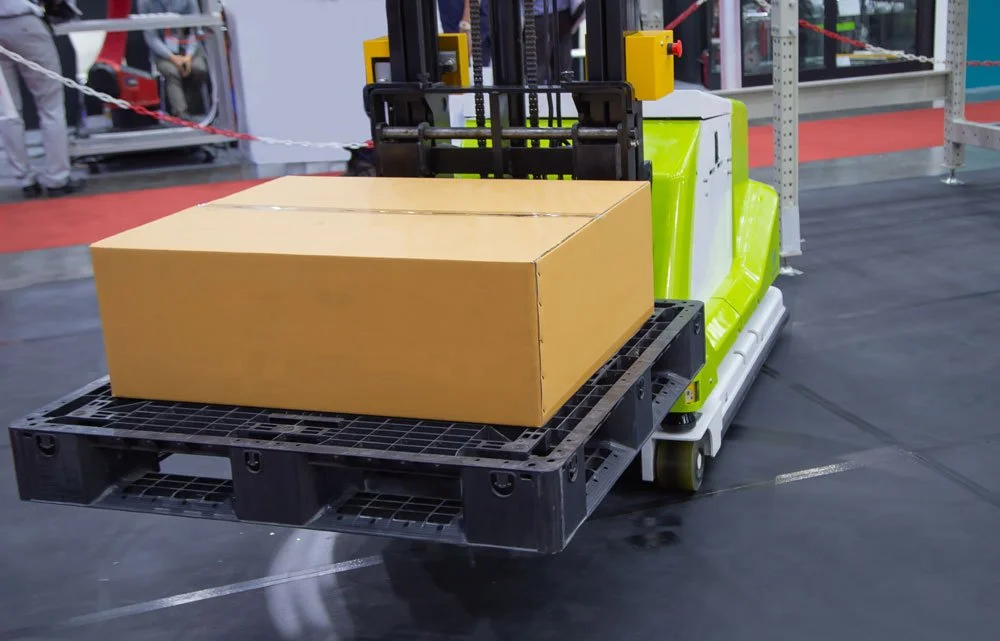
In high-volume or highly repetitive environments, conveyors and automated pallet handling systems help move pallets with minimal manual intervention. These systems are common in food and beverage distribution, e-commerce fulfillment, and manufacturing facilities with predictable material flow. Automation requires pallets built to precise specifications, as inconsistent pallet quality can disrupt conveyor movement and automated handling.
4. Pallet Stackers and Lift Tables
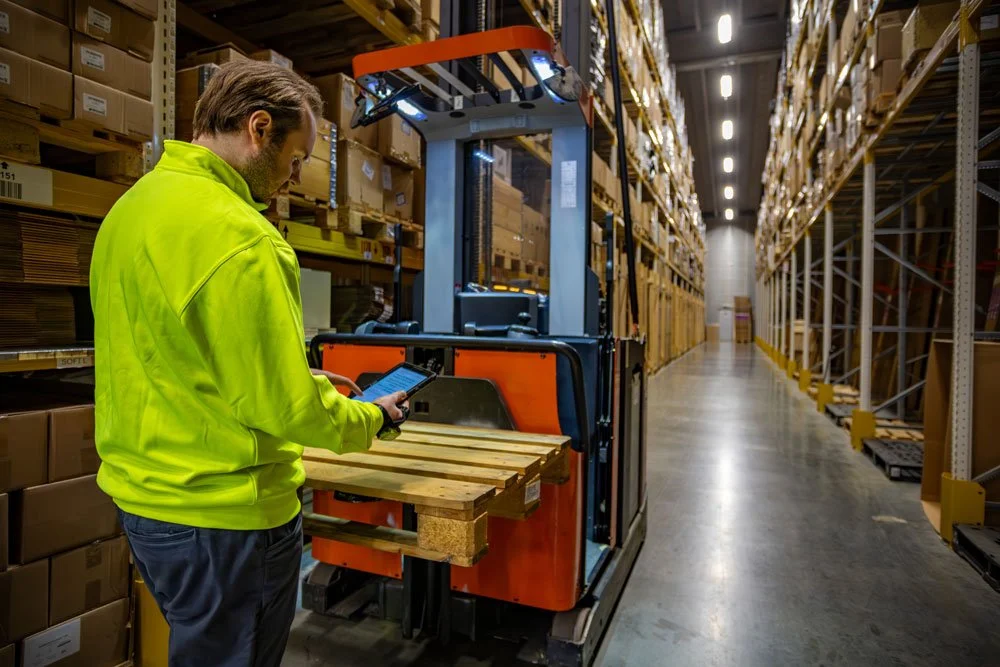
Pallet stackers and lift tables support ergonomic handling by lifting pallets to comfortable working heights. These tools are often used in production or packaging areas where employees need frequent access to palletized goods without excessive bending or lifting.
Effectiveness of Pallet Handling Equipment
The effectiveness of pallet handling equipment depends heavily on the pallets themselves. Pallet size, deck board spacing, bottom board configuration, and material all influence how well equipment can engage and support a load.
For example, poorly constructed pallets may flex under forklift tines, increasing the risk of product damage or operator injury. In automated environments, inconsistent pallet dimensions or damaged boards can cause jams, misalignment, or system shutdowns.
Aligning pallet design with handling equipment is one of the most overlooked—but most impactful—ways to improve operational efficiency.
How Pallet Design Impacts Handling Efficiency
Well-designed pallets support handling efficiency by maintaining structural integrity through repeated use. Pallets built to uniform specifications are easier to stack, rack, and transport, reducing handling time and equipment wear. In contrast, inconsistent or poorly repaired pallets can slow operations and increase maintenance costs.
Custom pallet design, when paired with the proper handling equipment, can improve load stability, reduce breakage, and extend pallet life, especially in demanding environments.
Safety Considerations When Using Pallet Handling Equipment
Safety is a primary concern in any pallet handling operation. Overloaded pallets, damaged boards, or improper handling techniques can lead to accidents, product loss, and equipment damage. Regular pallet inspections, clear weight limits, and proper operator training all contribute to safer operations.
Facilities that invest in high-quality pallets and ongoing maintenance often see fewer handling-related incidents. Consistency in pallet construction also helps operators anticipate load behavior, reducing unexpected shifts or failures during transport.
How Olympic Forest Products Supports Pallet Handling Success
Olympic Forest Products works closely with customers to ensure their pallets perform reliably across all handling environments.
By understanding how pallets interact with forklifts, conveyors, racking, and automated systems, Olympic helps businesses select, design, and maintain pallets that support safe, efficient material flow from start to finish.